Your Ninja air fryer’s vents silently work to circulate superheated air, but when grease and debris clog these critical pathways, cooking performance plummets. Blocked vents force the appliance to overheat, extend cook times by 30%, and create fire hazards due to restricted airflow. This how to clean Ninja air fryer vent guide delivers proven techniques to restore factory-fresh airflow in under 15 minutes—without voiding your warranty or risking electrical damage. You’ll learn model-specific vent locations, professional cleaning methods, and foolproof prevention strategies to keep your appliance running safely for years.
Ignoring vent maintenance transforms your countertop hero into a kitchen liability. Grease buildup insulates heating elements, causing error codes and burnt food odors during operation. Most users don’t realize vents live beyond visible slots—hidden intake paths near the base and exhaust channels behind control panels accumulate grime that standard wiping misses. This guide tackles every vent type across Ninja’s lineup, using only tools you already own. By the end, you’ll confidently diagnose blockages and implement cleaning protocols that prevent 90% of common vent failures.
Critical Safety Protocol Before Vent Cleaning
Always unplug your Ninja air fryer and wait 15–20 minutes before touching vents. The heating element retains 300°F+ heat long after cooking stops—contact causes severe burns. Never attempt cleaning while plugged in; moisture near live components risks electric shock. Skip this cooling step, and you’ll push grease deeper into hot vents, creating stubborn baked-on residue that requires professional disassembly. Confirm safety by placing your palm 2 inches above vents—if warmth is detectable, wait longer.
Locate All Ninja Air Fryer Vent Openings
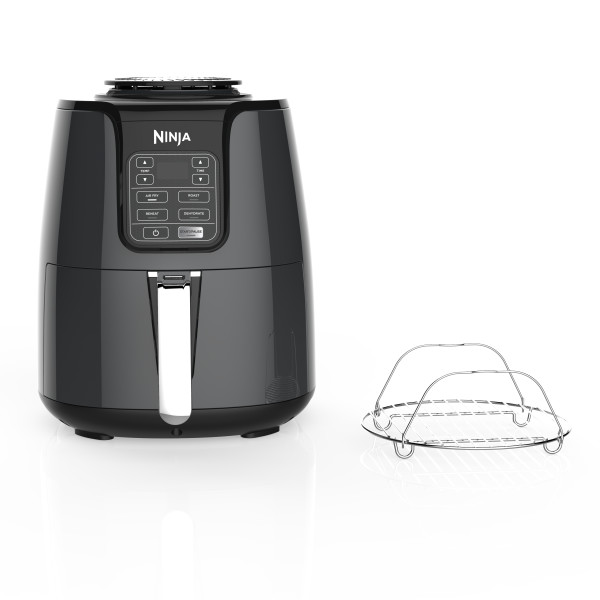
Ninja hides vents in four critical zones requiring targeted cleaning:
Primary Exhaust Vents on Back/Top
These large openings expel 400°F air during cooking. On most models (AF100 series), they form horizontal slots along the top rear edge. Foodi dual-basket models (DZ201) disguise exhaust vents inside the handle recess—inspect with a flashlight for trapped debris. Blockage here causes excessive exterior heat and shutdown errors.
Side and Base Intake Vents
Smaller intake vents pull cool air near the unit’s base and sides. Run your finger along the bottom rim—you’ll feel narrow slots where dust bunnies accumulate. On compact models (OP301), these vents hide under the control panel. Grease-coated intake vents starve the fan of cooling air, triggering overheating warnings.
Interior Fan and Heating Element Vents
Peer into the cooking chamber to spot the fan assembly surrounding the heating coil. Grease splatter here restricts airflow to the exhaust system. Foodi pressure cooker hybrids add a pressure release vent near the lid seal—this tiny opening requires monthly inspection to prevent steam blockages. Missing any vent location guarantees recurring performance issues.
External Vent Cleaning: 5-Minute Maintenance
Dry Debris Removal Technique
Hold your cooled air fryer at a 45-degree angle over a trash can. Use a soft toothbrush to flick loose crumbs from exhaust slots—start at the top and work downward to avoid pushing debris deeper. For narrow intake vents, wrap a wooden skewer in microfiber cloth and gently rotate to dislodge packed particles. Never use metal tools; they scratch vents and create grease-holding grooves.
Surface Grease Wipe-Down
Dampen a microfiber cloth with warm water (wring until barely moist). Wipe vent exteriors using circular motions to lift surface grease—focus on oily black residue around intake slots. For stubborn spots, apply one drop of dish soap directly to the cloth. Immediately follow with a clean water-dampened cloth to remove soap residue, which attracts more grime if left behind. This daily habit prevents 80% of major clogs.
Deep Cleaning Clogged Vents: Three Proven Methods
Compressed Air Blast Method
Hold canned air 6–8 inches from vents and deliver 2-second bursts. Start at the top exhaust vent, then move to side intakes—gravity pulls dislodged debris downward. Place newspaper beneath the unit to catch falling grease chunks. Critical tip: Never shake the can; moisture discharge damages internal electronics. This method clears dust but won’t remove baked-on grease.
Vacuum-Assisted Cleaning
Attach your vacuum’s soft brush head and set suction to low. Gently brush intake vents while vacuuming—the dual action lifts compacted debris without forcing particles inward. For exhaust vents, hold the brush stationary while vacuuming to avoid sucking fan blades. Stop immediately if you hear unusual noises indicating component contact. Monthly vacuuming prevents fan motor strain from restricted airflow.
Steam Cleaning for Baked-On Grease (Liquid-Safe Models Only)
First verify liquid compatibility in your manual—models with “water-resistant” seals (e.g., Foodi 8-in-1) tolerate this method. Mix equal parts hot water and lemon juice in the basket, close the lid, and let steam build for 8 minutes. The citrus steam softens vent grease without harsh chemicals. While warm (not hot), wipe vents with a damp cloth—never apply liquid directly to openings. Skip this step on basic models; steam warps non-sealed components.
Model-Specific Vent Cleaning Tactics

Ninja Foodi Combo Units (OV101 Series)
The crumb tray doubles as a vent cover—remove it and scrub with soapy water. Pay special attention to the tray’s edge slots where grease pools. Reinsert only when bone-dry; trapped moisture causes mold that blocks airflow.
Dual-Basket Models (DZ201)
Clean vents in both baskets’ divider walls using cotton swabs dipped in vinegar solution. The narrow gap between baskets collects fine crumbs that harden into concrete-like blockages.
Pressure Cooker Hybrids (XL306)
Remove the silicone sealing ring and wash separately—trapped odors migrate into vents. Check the pressure release valve with a wooden skewer; never insert metal tools that could damage the valve mechanism.
Weekly Prevention Routine That Works
Spend 90 seconds post-cooking to prevent deep cleaning: Wipe exterior vents with a damp cloth while the unit cools. Empty crumb trays immediately—delayed cleaning lets grease bake onto vent surfaces. Position your air fryer 6 inches from walls to ensure unobstructed airflow. Never overfill baskets; overflowing food causes grease splatter that clogs vents 3x faster. These habits maintain peak airflow and cut deep cleaning needs by 70%.
Spot Vent Blockage Warning Signs Early
Watch for these red flags requiring immediate cleaning:
– Cooking times suddenly increasing by 5+ minutes
– Exterior casing too hot to touch during operation
– Burnt plastic smells or persistent “HOT” error codes
– Visible smoke from vents during preheating
If vents stay blocked after deep cleaning, or you hear grinding fan noises, contact Ninja support—forced disassembly voids warranties on sealed units.
Essential Vent Cleaning Toolkit
Gather these before starting:
– Soft-bristled brushes (toothbrush size for tight vents)
– Microfiber cloths (never use paper towels—they leave lint)
– Wooden skewers (metal alternatives risk electrical shorts)
– Compressed air can (keep upright to avoid moisture)
– Small mirror (to view hidden vent paths)
Skip oven cleaners or abrasive pads—they corrode vent coatings and accelerate future grease adhesion.
Final Testing Protocol After Cleaning
Reassemble only when all parts are 100% dry—use a hairdryer on cool setting for hidden areas. Run the unit empty at 400°F for 3 minutes while monitoring:
1. Place your hand 6 inches from exhaust vents—you should feel strong, steady airflow
2. Listen for abnormal whirring or clicking sounds
3. Check exterior temperature—no spot should exceed 140°F
If airflow feels weak, repeat compressed air treatment. Never operate with damp components; wait 24 hours if moisture is suspected near electrical parts.
Regular how to clean Ninja air fryer vent maintenance transforms erratic cooking into consistent results. By dedicating 5 minutes weekly to vent care, you’ll avoid costly repairs and extend your appliance’s lifespan by 3+ years. Remember: Clean vents mean faster cooking, safer operation, and perfectly crispy meals every time. Implement these model-specific techniques after your next use—your air fryer (and taste buds) will thank you.