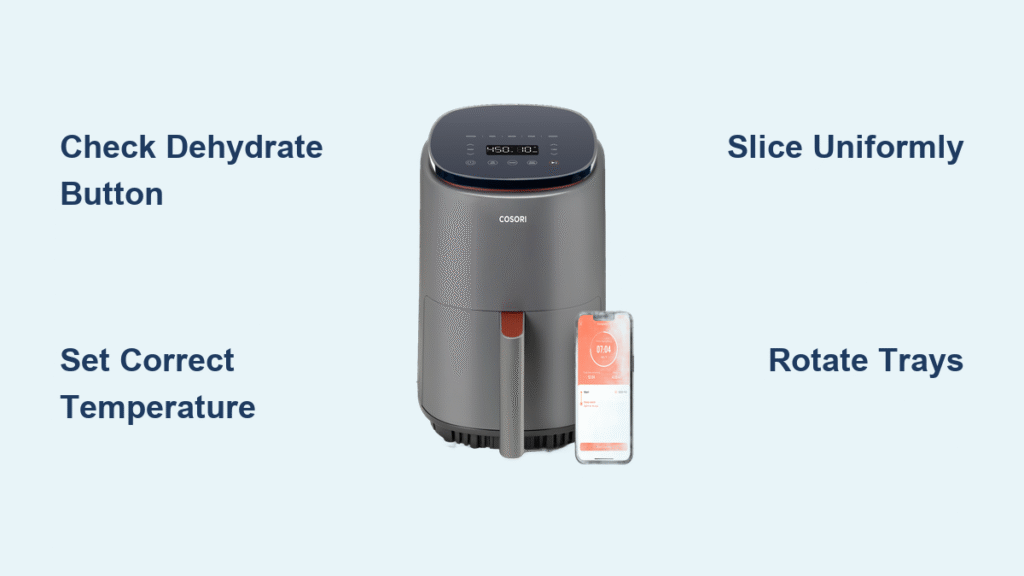
Your Cosori air fryer can transform fresh strawberries into chewy snacks, turn garden herbs into potent seasonings, and create shelf-stable jerky—all without buying a separate dehydrator. This guide reveals exactly how to dehydrate in a Cosori air fryer using your existing appliance’s built-in function. Forget wasting counter space; with precise temperature control between 95°F-170°F, your Cosori preserves nutrients while intensifying flavors. You’ll save money, reduce food waste, and create healthier alternatives to store-bought dried goods—all in one countertop powerhouse.
Discovering your Cosori’s hidden dehydration superpower solves the frustration of watching fresh produce spoil. Whether you’re battling a berry surplus or prepping emergency food supplies, this process takes beginner-friendly precision out of guesswork. By the end of this guide, you’ll confidently convert your air fryer into a food preservation station—no extra gadgets required.
Verify Your Cosori Model Supports Dehydration
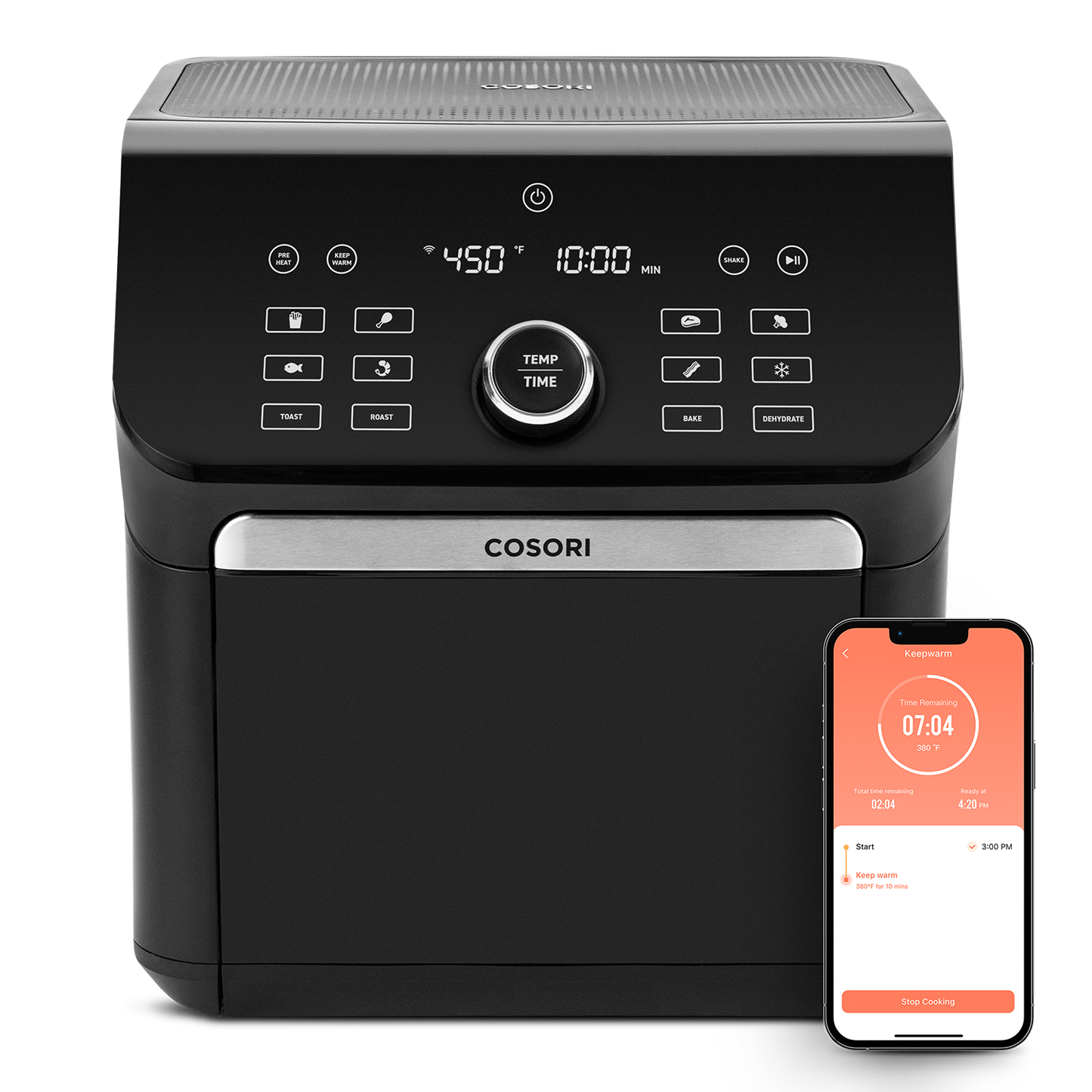
Locate the Dedicated Dehydrate Button
Scan your control panel immediately for a DEHYDRATE preset or button—this is your golden ticket. Models like the CS358-AF, CP358-AF, CO158-AF, and CS130-AO feature this function prominently. If you own a VeSync Pro Series unit, cross-reference your exact model number in the app; some variants omit dehydration despite similar naming. Don’t assume compatibility—using standard air fry settings risks under-drying or spoilage.
Validate Temperature Range and Capacity
Pull out your user manual to confirm two critical specs: your unit must hit 95°F minimum for herbs and 165°F maximum for safe jerky preparation. Next, test basket capacity by arranging apple slices in a single layer with ¼-inch spacing—any crowding causes uneven drying. If food touches the sides or overlaps, reduce batch size by 30%. This verification prevents wasted ingredients and potential food safety hazards.
Optimize Temperature and Time Settings
Match Temperatures to Food Types
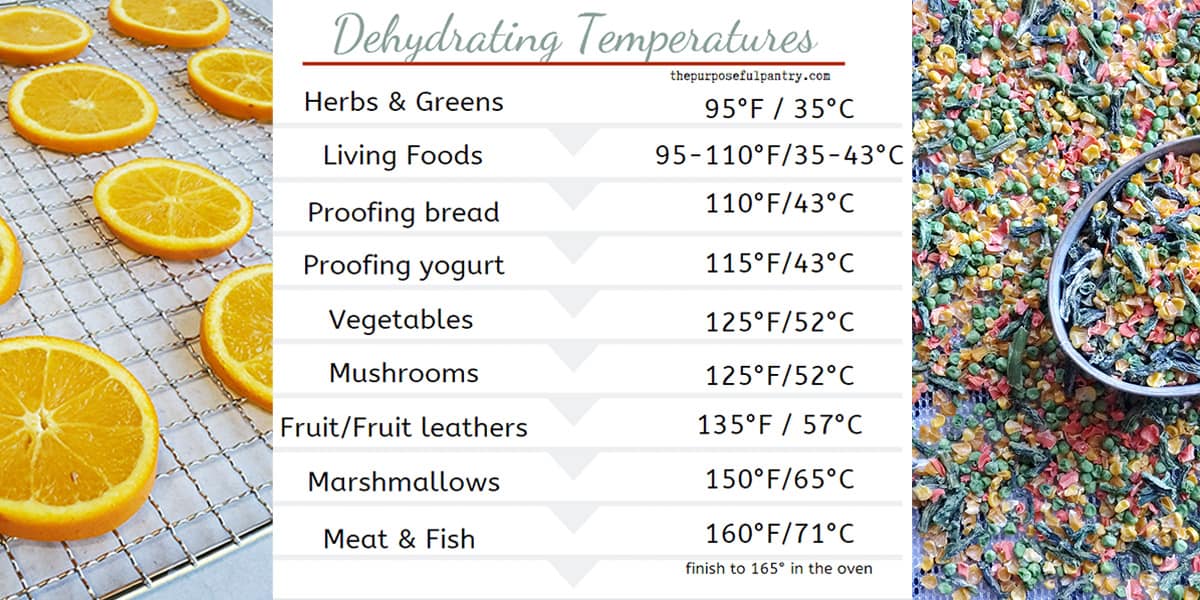
Herbs and edible flowers demand the lowest setting (95°F) to preserve volatile oils without scorching. Fruits like apples or strawberries thrive at 135°F—high enough to evaporate moisture but low enough to prevent cooking. Vegetables require 125°F for tomatoes or peppers to maintain texture, while meat jerky needs 160°F minimum to eliminate pathogens. Never dehydrate below 95°F—this lands in the food safety “danger zone” where bacteria multiply rapidly.
Set Precise Timing to Avoid Ruined Batches
Delicate herbs dry in 2–4 hours; check hourly after the 2-hour mark to prevent brittleness. Fruits typically need 6–8 hours (bananas take longer at 8–10 hours). Vegetables range from 4–8 hours depending on water content—thin tomato slices finish faster than dense carrots. Jerky requires 4–8 hours, but set phone alarms for 30-minute checks after the 4-hour mark. Critical: All Cosori units auto-shutoff after 24 hours, so never set “all night” without monitoring.
Prepare Ingredients for Flawless Results
Slice Fruits Uniformly to Prevent Waste
Use a mandoline to cut ¼-inch thick apple or banana slices—inconsistent thickness causes some pieces to turn leathery while others char. Immediately soak apple slices in lemon water (1 lemon to 4 cups water) for 5 minutes to block browning. Pat strawberries dry after hulling; their high water content means skipping pre-treatment. Pro tip: Place a paper towel under fruit slices during soaking to absorb excess liquid—this shaves 1–2 hours off drying time.
Handle Meat Jerky with Food Safety Focus
Trim all visible fat from eye-of-round beef or turkey breast—fat turns rancid during dehydration. Slice against the grain at 1/8-inch thickness using a partially frozen steak for clean cuts. Marinate overnight in a soy sauce-based mix, but never skip preheating to 160°F before loading meat. Warning: Adding cold meat to a cold unit risks unsafe temperature exposure—always preheat for 5 minutes first.
Execute the Dehydration Process Step by Step
Load Trays for Maximum Airflow
After preheating, arrange food in single layers with ¼-inch gaps between pieces—this isn’t optional for even drying. Fill baskets only ⅔ full to prevent airflow blockage, and distribute weight evenly across multiple trays if using them. Visual cue: Hold up your loaded basket to a light; you should see shadows between pieces. If not, remove 20% of the load.
Monitor and Rotate for Professional Results
Check airflow through the basket slots after 60 minutes—a steady stream of warm air should be visible. Rotate trays top-to-bottom every 2 hours since heat rises unevenly in air fryers. At 75% of your estimated time (e.g., 4.5 hours for an 8-hour fruit batch), test one piece: apples should bend without sticking, jerky must snap cleanly. Never skip this check—over-dried food loses nutrients and becomes inedible.
Troubleshoot Common Dehydration Failures
Fix Soggy or Unevenly Dried Food
If condensation beads on the door or food feels sticky, raise the temperature 5–10°F immediately and extend time by 1–2 hours. This usually means your room temperature dipped below 65°F during operation—move the unit away from AC vents. For persistent wet spots, reduce batch size by half; overcrowding is the #1 cause of failed dehydration.
Rescue Over-Dried or Brittle Results
When chips shatter or herbs crumble excessively, lower the next batch’s temperature by 5°F and set phone reminders for 30-minute checks after the 3-hour mark. If jerky turns leathery instead of chewy, slice meat thicker next time (⅛-inch → ¼-inch). Pro fix: Place over-dried fruit in a sealed jar with a slice of bread overnight—it reabsorbs just enough moisture to restore chewiness.
Master Top 3 Dehydrated Foods
Create Crisp Apple Chips in 6 Hours
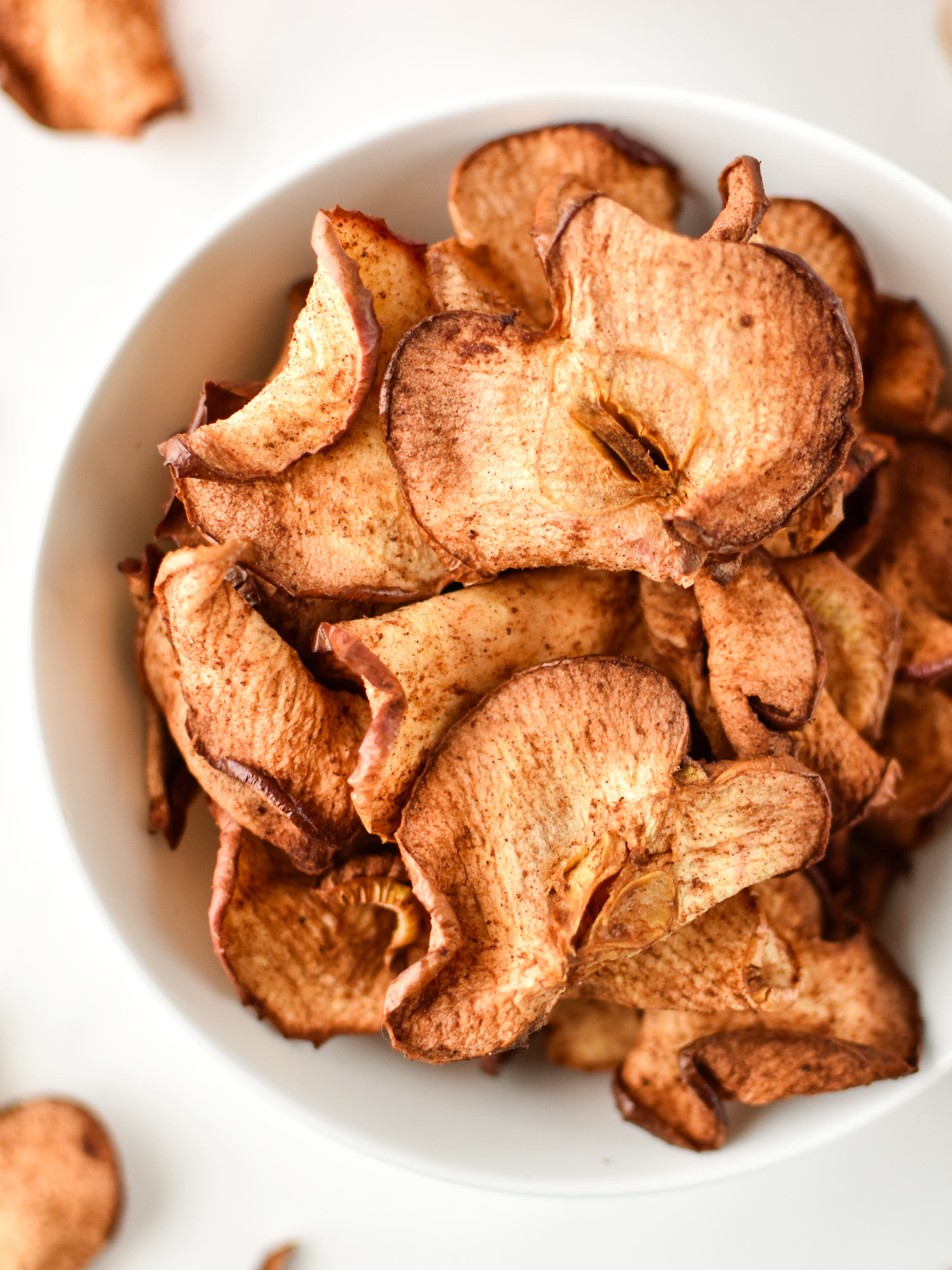
Core apples and slice ⅛-inch thick using a mandoline. Soak in lemon water for 5 minutes, then pat dry. Dehydrate at 135°F for 6–8 hours until edges curl slightly. Doneness test: Fold a chip—it should crack cleanly without sticking. Store in glass jars with desiccant packets to maintain crunch for 3 months.
Produce Safe, Tender Beef Jerky
Trim all fat from flank steak and slice against the grain at ⅛-inch thickness. Marinate 12 hours in soy sauce, Worcestershire, and black pepper. Preheat to 160°F, then dehydrate 4–6 hours until internal temperature hits 160°F. Critical: Jerky must bend without tearing but snap when folded—under-dried jerky spoils within days.
Preserve Garden Herbs in 2 Hours
Pick basil or oregano leaves before flowering for maximum oil content. Remove from stems and spread in a single layer. Dehydrate at 95°F for 2–3 hours until leaves crumble between fingers. Never wash herbs—dampness adds drying time; brush off soil gently instead. Store whole leaves in vacuum-sealed bags for 12 months of intense flavor.
Store Dehydrated Foods for Maximum Shelf Life
Cool and Test Before Sealing
Let food cool 30–60 minutes on the counter—trapping residual heat creates condensation in jars. Test for moisture by placing a chip in a sealed bag for 15 minutes; if fog appears, return to the Cosori for 30 minutes. Sterilize jars by boiling lids while food cools to prevent mold.
Use Vacuum Sealing for Year-Long Freshness
For 1–3 month storage, use glass jars with tight lids in a dark pantry. For 6–12 months, vacuum-seal with oxygen absorbers and freeze. Never skip moisture control—a single damp piece ruins entire batches. Check stored jerky monthly; if it develops white spots (not mold), it’s safe but should be consumed immediately.
Clean Your Cosori After Dehydration
Eliminate Sticky Residues in 5 Minutes
After complete cooling, wash baskets with warm soapy water and a non-scratch sponge—never soak the main unit. For stubborn fruit sugars, rub with a paste of baking soda and water. Critical step: Run the empty Cosori at 400°F for 5 minutes to vaporize residual oils that cause odors in future batches.
Maintain Performance with Quarterly Checks
Wipe interior walls weekly with a damp cloth to prevent sugar buildup. Every 3 months, inspect the door seal for cracks that cause heat leaks. Annually, verify temperature accuracy with an oven thermometer placed beside food during dehydration—a 10°F variance requires professional calibration.
Calculate Your Dehydration Savings
Slash Energy Costs by 70%
Each 6-hour dehydration cycle uses 0.5–1.0 kWh, costing just $0.06–$0.15 at average U.S. rates—70% less than oven dehydration. Running weekly batches saves over $200 yearly compared to store-bought alternatives. Real math: Homemade apple chips cost $0.50 per batch versus $3.99 for 3 ounces commercially.
Beat Grocery Prices on Specialty Items
Beef jerky costs $2.50 for 4 ounces when made in your Cosori versus $7.99 for branded versions. Herb bundles dehydrate for pennies per jar compared to $3–$5 store prices. Pro tip: Dehydrate surplus garden tomatoes into “sun-dried” versions at 1/5th the cost of specialty store packets.
Your Cosori air fryer’s dehydration function transforms food preservation from a chore into a rewarding kitchen superpower. Start with foolproof apple chips or basil to build confidence, then tackle jerky using the precise safety protocols outlined here. Every batch you create saves money, reduces waste, and delivers cleaner ingredients than store shelves—proving that your existing appliance holds untapped potential. Fire up your Cosori today and turn that berry surplus into chewy, nutrient-packed snacks ready in under 8 hours.