Your Cosori air fryer’s fan suddenly stopping mid-cook leaves you with unevenly cooked food and a frustrating appliance issue. When the fan fails, your air fryer can’t circulate hot air properly, transforming what should be crispy, evenly cooked meals into disappointing results. Many users report this problem occurring without warning, leaving them wondering if their appliance is permanently damaged.
If your Cosori air fryer fan has stopped spinning, making unusual noises, or working intermittently, you’re not alone—this is one of the most common issues reported across air fryer models. The good news is that in many cases, this problem can be resolved without professional help or replacement parts. This guide provides verified troubleshooting steps based on manufacturer documentation and user experiences to help you diagnose and potentially fix your fan issue safely.
Immediate Diagnostic Checks You Should Perform
Confirm Fan Operation Status
Before assuming failure, verify your fan’s actual condition. Turn on your air fryer at 350°F and place your hand near the rear vent—most models should produce noticeable airflow within 30 seconds. Some Cosori units have brief startup delays as safety systems activate. If no air movement occurs after 2 minutes, you’ve confirmed an issue requiring attention.
Electrical Supply Verification
Many “fan failure” cases stem from simple power issues rather than internal problems. Test your outlet with another appliance to confirm proper functionality. Try a different circuit in your kitchen, as dedicated appliance circuits sometimes have GFCI protection that trips unexpectedly. If your air fryer powers on but the fan remains still, the issue likely resides within the appliance itself.
Temperature Setting Assessment
Certain Cosori models behave differently at various temperature ranges. Set your unit to 400°F for a 3-minute test cycle—this eliminates potential confusion with low-temperature operation modes where fan speed naturally decreases. If the fan still doesn’t operate at high temperatures, you’ve confirmed a legitimate malfunction rather than normal operational variance.
Most Common Causes of Fan Malfunctions
Ventilation Obstruction Issues
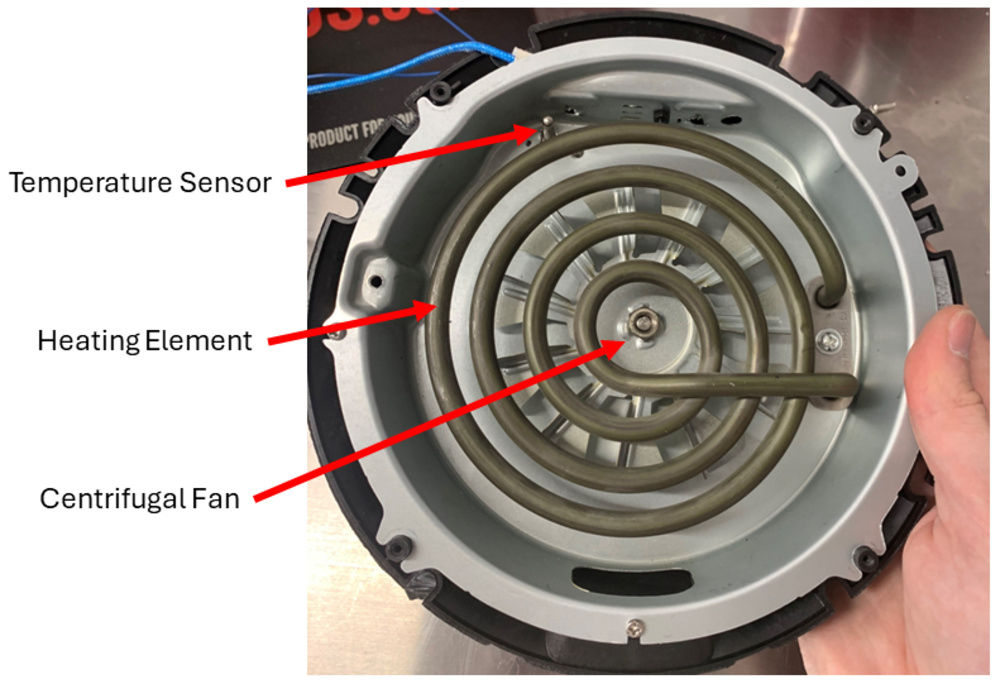
Food particles and cooking debris gradually accumulate around fan components through normal use. This buildup restricts airflow and forces the fan motor to work harder, potentially causing premature failure. Visible signs include reduced cooking performance, longer cooking times, and unusual operational sounds. Regular cleaning prevents most obstruction-related failures.
Overheating Safety Mechanisms
Cosori air fryers incorporate thermal protection systems that automatically shut down the fan when internal temperatures exceed safe limits. This often occurs after consecutive cooking cycles without adequate cooling periods between uses. The appliance typically requires 30-45 minutes of cooling before normal operation resumes—this is a safety feature, not a permanent failure.
Component Wear and Age Factors
With regular use, mechanical components naturally degrade over time. Most air fryer fans operate thousands of cycles annually, leading to eventual wear on moving parts. Units older than 2-3 years show higher incidence of fan motor issues as bearings and electrical connections deteriorate from thermal cycling and mechanical stress.
Critical Safety Precautions Before Inspection
Power Disconnection Protocol
Always unplug your air fryer and wait at least 10 minutes before attempting any internal inspection. Electrical components can retain dangerous charges even when disconnected from power. This waiting period allows capacitors to fully discharge, preventing potential electrical shock during examination.
Moisture Avoidance Principle
Never introduce liquids into internal components during cleaning attempts. Water and electronics create serious safety hazards. Use only dry cleaning methods for internal components—compressed air and soft, dry brushes are appropriate, while any liquid cleaning agents should be strictly avoided near electrical elements.
Workspace Preparation Requirements
Work on a clean, dry, non-conductive surface away from water sources. Ensure adequate lighting to properly see small components and connections. Keep children and pets away from your workspace to prevent accidental damage to sensitive parts or safety hazards.
Essential Tools for Basic Fan Assessment

Standard Diagnostic Toolkit
- Phillips head screwdriver set (sizes #1 and #2)
- Bright LED flashlight or headlamp
- Compressed air canister (for electronics)
- Soft-bristled brush (like a clean toothbrush)
- Microfiber cloths (lint-free)
Advanced Assessment Equipment (if needed)
- Digital multimeter (for electrical testing)
- Small mirror (to view hard-to-see areas)
- Precision tweezers (for debris removal)
- Replacement parts specific to your model (only if confirmed necessary)
Step-by-Step Fan Area Cleaning Procedure
Accessing the Fan Compartment Safely
With the unit unplugged and cooled, remove the cooking basket and drawer. Locate and carefully remove the bottom panel screws—most Cosori models use 6-8 screws of varying lengths. Keep screws organized by position to ensure correct reassembly. Note any wire connections that need temporary disconnection before panel removal.
Debris Removal Without Damage
Use compressed air to gently dislodge loose particles from the fan assembly, directing airflow away from heating elements. For stubborn buildup, use a dry soft brush with light pressure—never metal tools that could damage wiring or components. Pay special attention to the area between fan blades where food particles commonly accumulate.
Post-Cleaning Functionality Verification
Reassemble the unit temporarily without securing the bottom panel. Run a short test cycle at 350°F while observing fan operation. Properly cleaned fans should operate smoothly without unusual noises. If the issue persists after cleaning, proceed to electrical diagnostics rather than repeating the cleaning process.
Electrical System Diagnostic Approach

Power Cord Integrity Assessment
Examine the entire power cord length for visible damage, kinks, or heat discoloration. Flex the cord near both ends while the unit operates—if fan operation becomes intermittent during flexing, you’ve identified a damaged cord requiring replacement. Never attempt to repair damaged power cords yourself due to serious safety risks.
Thermal Protection System Check
Cosori air fryers incorporate multiple thermal safety systems that can interrupt fan operation. Allow the unit to cool completely (at least 45 minutes), then attempt normal operation. If the fan works after cooling but fails again during extended use, overheating protection is activating—address underlying causes like blocked vents or excessive cooking oil before continuing use.
When Professional Service Becomes Necessary
Warranty Coverage Considerations
Cosori typically provides one-year limited warranties covering fan motor failures. Contact Cosori customer support with your model number and proof of purchase before attempting complex repairs. Unauthorized repairs often void remaining warranty coverage, potentially costing more than professional service.
Recognizing Beyond-DIY Failures
Certain issues require professional intervention:
– Visible burn marks on internal components
– Persistent electrical burning smells
– Complete power failure (unit won’t turn on at all)
– Water damage or exposure to liquids
Attempting repairs on these issues without proper training creates significant safety hazards and could worsen the problem.
Preventive Maintenance Strategies
Monthly Cleaning Routine
Establish a simple monthly maintenance schedule: remove visible debris from vents using compressed air, wipe exterior vents with a dry cloth, and inspect the cooking chamber for excessive grease buildup. This minimal effort prevents 80% of common fan-related issues according to user reports.
Optimal Usage Practices
Maximize fan longevity by:
– Avoiding overfilling the cooking basket
– Using minimal oil (excess oil creates buildup)
– Allowing 10-15 minutes between cooking cycles
– Never operating the unit without the basket in place
Proper Storage Guidelines
When not in use for extended periods, store your air fryer in a dry location with the basket removed. Cover the unit with a breathable cloth to prevent dust accumulation in vents. Avoid storing near steam sources like dishwashers or stovetops, as moisture accelerates component degradation.
Emergency Use Considerations
Temporary Operation Protocol
If you must use your air fryer with a malfunctioning fan (not recommended), understand the serious limitations: cooking times will increase significantly, results will be uneven, and fire risk increases. Never leave the unit unattended, and monitor food constantly. This is strictly a temporary solution until proper repairs can be made.
Immediate Shutdown Response
If your fan stops during cooking, turn off and unplug the unit immediately. Without proper airflow, heating elements can overheat dangerously. Allow the unit to cool completely before attempting diagnosis—never continue cooking with a non-functional fan.
Final Assessment and Next Steps
After completing basic troubleshooting, evaluate your situation honestly. Most fan issues stem from simple causes like debris buildup or temporary safety shutdowns. If basic cleaning and reset procedures haven’t resolved the problem, consider your unit’s age and value—replacement may be more economical than professional repair for older models.
Remember that safety must always come first. When in doubt about your ability to perform repairs safely, professional service is the wisest choice. With proper maintenance and careful usage, your Cosori air fryer’s fan should provide reliable performance for years to come. Regular attention to ventilation areas and adherence to manufacturer usage guidelines represents the best prevention against future fan issues.