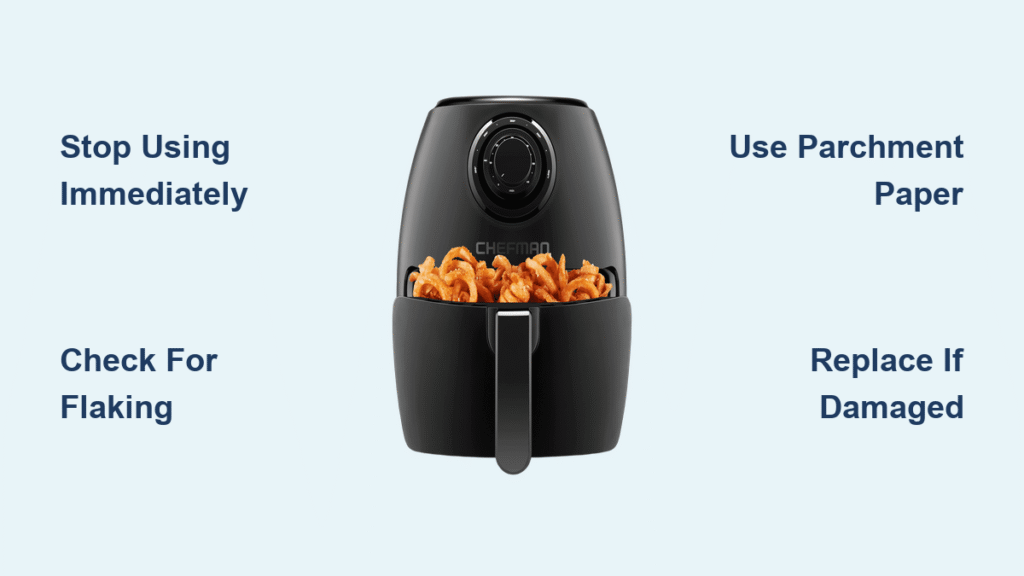
You pull out your Chefman air fryer for a quick dinner, only to notice the non-stick coating on your basket is flaking off in patches. That sinking feeling hits you—safety concerns, replacement costs, and the frustration of a premium appliance failing prematurely. Peeling basket coating affects thousands of air fryer owners, transforming what should be a healthy cooking solution into a potential health hazard right in your kitchen.
This widespread issue strikes even with careful use, leaving many wondering if they should discard their appliance immediately or risk continued use. The good news is that most peeling problems can be addressed through immediate safety measures, temporary fixes, or permanent solutions that don’t require buying an entirely new air fryer. Whether you’re dealing with minor surface scratches or extensive coating failure, this guide provides tested strategies to assess, repair, and prevent Chefman air fryer basket peeling while keeping your cooking safe and efficient.
Why Chefman Baskets Start Peeling Unexpectedly
High Heat and Metal Utensils: The Primary Culprits
Excessive heat exposure consistently emerges as the main reason behind peeling air fryer baskets. When cooking temperatures repeatedly exceed what the non-stick coating can handle, the bond between the coating layer and metal base weakens significantly. This thermal stress creates microscopic bubbles that eventually grow large enough to flake off during normal use. Many users unknowingly push their air fryers beyond safe temperature limits, especially when attempting to achieve extra-crispy results.
Metal utensils dramatically accelerate coating deterioration, even with seemingly gentle use. Forks, knives, or metal tongs create invisible micro-scratches that compromise the coating’s integrity. These tiny breaches allow moisture and food acids to penetrate beneath the surface, lifting the coating from the base metal over time. What begins as a barely noticeable scratch quickly becomes a peeling hotspot after just a few cooking cycles.
Recognizing Early Warning Signs Before Major Damage
Discoloration patterns serve as critical early warnings of impending peeling. Watch for dark spots, rainbow-like reflections across the surface, or areas that appear noticeably duller than surrounding coating. These visual changes indicate the non-stick layer has begun separating from the metal foundation beneath—a sure sign that peeling will follow within weeks.
Texture changes provide equally important clues. Run your fingers across the basket surface after cleaning—if previously smooth areas now feel rough or slightly raised, the coating is actively lifting. These affected zones typically peel completely within just 1-3 additional cooking sessions. Catching these subtle changes early gives you the opportunity to adjust your usage habits before irreversible damage occurs.
Immediate Safety Assessment: What to Do Today

Determining If Your Peeling Basket Is Safe for Continued Use
Stop using your air fryer immediately if you observe active flaking during cooking. Loose coating fragments mixing with your food creates potential ingestion hazards and significantly alters food taste. The risk increases with each use as more coating detaches, making continued operation unsafe once peeling becomes visible during cooking cycles.
Temporary continued use might be acceptable if peeling is minimal—confined to small areas under 1/4 inch in diameter that don’t directly contact food. If the damaged sections are on the basket’s exterior or upper rim away from cooking surfaces, you can cautiously continue using the appliance while monitoring the problem closely. Avoid cooking sticky foods like battered items or melted cheese that might pull additional coating loose during removal.
Evaluating Health Risks From Peeling Non-Stick Coatings
Ingestion risks from small coating flakes remain relatively low, as most modern non-stick materials pass through the digestive system without being absorbed. However, continued exposure to degraded coatings during high-heat cooking may release concerning compounds that could affect air quality in your kitchen. The primary danger comes from cumulative exposure rather than single incidents.
Replace your basket urgently if widespread peeling reveals bare metal underneath the coating. This condition significantly increases food contamination risks as metal interacts directly with acidic foods, and dramatically reduces cooking performance as food sticks relentlessly to exposed areas. Baskets showing more than 25% surface peeling should be retired from service immediately for both safety and functionality reasons.
Quick Visual Inspection Steps You Can Complete in Minutes
The 3-Minute Basket Damage Assessment
Conduct a thorough surface examination by holding your basket under bright light and rotating it slowly. Look for raised edges, bubbles, or areas where light reflects differently—these visual anomalies indicate where the coating has separated from the base metal. Pay special attention to corners and edges where thermal stress concentrates during heating cycles.
Perform a gentle touch test by running your finger across suspicious areas. Any roughness, catching sensation, or lifting edges confirms active peeling. Smooth transitions between affected and intact areas suggest early-stage issues that might be manageable with usage adjustments, while sharp transitions indicate advanced separation requiring immediate attention.
Documenting Damage for Warranty Claims or Repairs
Take clear, well-lit photographs of all peeling areas from multiple angles. Include close-ups showing the texture and extent of damage, plus wider shots showing the basket’s overall condition. This documentation proves invaluable for warranty claims and helps track how quickly the problem progresses between cooking sessions.
Measure affected areas using a ruler to quantify the peeling zones. Areas larger than a quarter (approximately 1 inch in diameter) warrant immediate attention, while smaller spots might allow for temporary continued use with careful monitoring. Note whether peeling occurs primarily where food typically sticks, as this pattern indicates coating failure due to repeated stress at adhesion points.
Practical Repair Options Worth Trying

Temporary Fixes That Extend Basket Life
Food-grade epoxy coatings offer surprisingly effective short-term solutions for small peeling areas. Thoroughly clean the affected zone with isopropyl alcohol, apply thin epoxy layers following manufacturer instructions, and allow complete curing before next use. Properly applied epoxy can provide 2-4 additional weeks of service life, giving you time to order a replacement.
High-temperature silicone patches work well for covering larger peeling sections. Cut food-safe silicone sheets to size, ensuring complete coverage of damaged areas plus a 1/2 inch overlap onto intact coating. While these patches withstand standard air fryer temperatures, they may slightly affect cooking consistency by blocking airflow through the basket mesh.
When Professional Refinishing Makes Sense
Ceramic coating restoration services provide longer-lasting repairs than DIY options. These professionals completely strip remaining coating, apply new ceramic layers, and cure at industrial temperatures. Though costing 40-60% of a new basket’s price, this service typically extends your basket’s lifespan by 2-3 years for high-end models.
Some local metal shops offer powder coating services suitable for air fryer baskets. Before proceeding, verify the coating is food-safe and rated for continuous use at 400°F+ temperatures. This option works best for baskets with extensive damage where replacement parts are difficult to find or expensive.
Choosing the Right Replacement Basket

OEM vs Aftermarket Options Compared
Chefman original replacement baskets guarantee perfect fit and coating compatibility but cost 50-75% more than aftermarket alternatives. Carefully check your model number—Chefman uses different basket designs across their product lines, and mismatches create frustrating fit issues. Genuine parts typically come with better warranty support if problems arise.
Compatible aftermarket baskets from reputable brands like Ultrean or COSORI often match OEM quality at lower prices. Verify dimensions match your specific Chefman model exactly, and confirm that coatings are PFOA-free and FDA-approved for food contact. Read recent customer reviews specifically mentioning durability to avoid low-quality knockoffs.
What to Look for When Buying a New Basket
Material specifications matter more than brand names when selecting a replacement. Prioritize baskets with ceramic-titanium hybrid coatings or reinforced PTFE layers explicitly rated for 450°F+ continuous use. These advanced coatings significantly outperform standard non-stick surfaces and resist peeling much longer under normal cooking conditions.
Warranty coverage protects your investment in a new basket. Quality replacements include 1-2 year coating warranties against premature peeling. Avoid no-name brands lacking warranty support, as their premature failure rates remain substantially higher than established manufacturers. A slightly higher upfront cost often pays off through longer service life.
Preventing Future Peeling With Smart Practices
Temperature Management and Cooking Techniques
Keep cooking temperatures between 300-400°F for most foods to prevent coating stress. Reserve 400°F+ settings for brief periods only—never preheat empty baskets at maximum temperature, as this causes extreme thermal shock to the coating. Gradual heating preserves coating integrity far better than sudden temperature spikes.
Protect cooking surfaces by using parchment paper liners for sticky foods, silicone mats for delicate items, and avoiding overcrowding that causes food to scrape against basket sides. These simple precautions dramatically extend coating life by minimizing direct contact between food and the non-stick surface.
Cleaning Best Practices That Preserve Coating
Always let baskets cool 15-20 minutes before cleaning—sudden temperature changes from cold water cause coating contraction and eventual cracking. This simple cooldown period prevents thermal shock that weakens the coating bond over time.
Stick to soft sponges, nylon brushes, or silicone scrubbers for cleaning. For stubborn residue, soak in warm soapy water 10-15 minutes rather than resorting to aggressive scrubbing. Use mild dish soap and warm water exclusively—avoid bleach, ammonia, or abrasive cleaners that degrade coating polymers. White vinegar solutions effectively remove buildup without damaging surfaces when properly diluted.
When to Pursue Warranty Coverage
Understanding Chefman’s Warranty Policy
Standard warranty coverage typically includes coating defects for one year from purchase date. Normal wear and tear usually isn’t covered, but manufacturing flaws causing premature peeling should qualify for replacement. Keep your proof of purchase readily available, as this documentation is essential for successful claims.
Register your product online immediately after purchase to streamline future warranty claims. Document any issues with dated photos showing the problem isn’t due to misuse—these visual records prove invaluable when demonstrating legitimate coating failure versus damage from improper care.
Filing a Successful Warranty Claim
Contact Chefman support through their official website contact form or 1-800 customer service number. Provide your model number, purchase date, clear photos of the peeling issue, and a description of your usage patterns that demonstrates proper care. Be specific about how you’ve followed cleaning and usage guidelines.
Expect most legitimate coating warranty claims to process within 5-10 business days. Chefman typically offers replacement baskets for verified defects, occasionally requiring return of the damaged unit. Persistence pays off—if your initial claim is denied, politely request escalation to a supervisor with additional documentation of your proper usage.
Cost Analysis: Repair Versus Replacement
Financial Comparison of Your Options
DIY repair costs range from $10-25 for sealants and patches, providing only 1-3 months of additional use. This approach works best for small peeling areas when immediate replacement isn’t feasible, but don’t expect long-term solutions from temporary fixes.
Professional refinishing costs $25-40 but offers 2-3 years of extended life. This becomes economical for expensive or hard-to-find basket models, but verify service quality before committing—poor refinishing can worsen the problem.
New replacement baskets cost $35-65 for Chefman models, providing 3-5 years of service life with proper care. When peeling affects large areas, this represents the most cost-effective long-term solution despite the higher initial investment.
Making Your Decision
Choose repair when peeling affects less than 10% of the cooking surface and immediate budget constraints exist. Opt for replacement when damage exceeds 25% coverage, when warranty coverage applies, or when safety concerns outweigh temporary fixes. Your decision should balance safety, cost, and convenience while considering how frequently you use your air fryer.
Key Takeaways for Long-Term Success
Your Chefman air fryer basket peeling issue, while frustrating, offers clear resolution paths once properly assessed. Immediate safety evaluation prevents potential health risks, while choosing between repair and replacement depends on damage extent and your specific circumstances. Prevention remains the most effective strategy—proper temperature management, gentle cleaning techniques, and protective cooking practices can triple your next basket’s lifespan.
Document any recurring issues thoroughly, as persistent peeling across multiple baskets may indicate manufacturing defects that qualify for warranty replacement. Act quickly on early warning signs to maintain both safety and cooking performance. Whether you choose temporary repair or permanent replacement, these steps ensure your air fryer continues delivering delicious, healthy meals without coating contamination concerns.