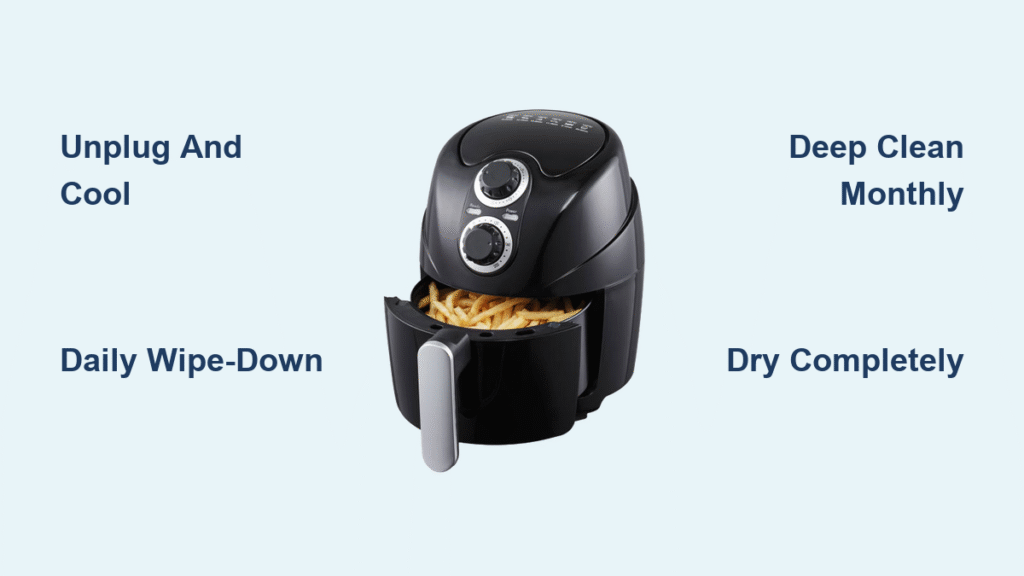
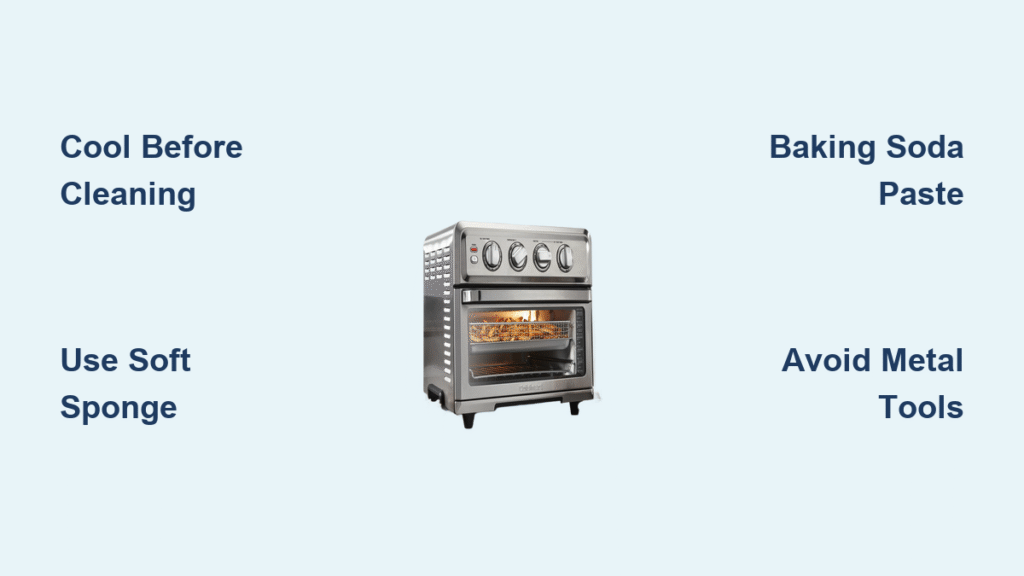
That sticky residue clinging to your Cuisinart air fryer pan after cooking crispy fries or juicy chicken wings isn’t just unsightly—it’s compromising your next meal’s flavor and your appliance’s longevity. When baked-on grease and carbonized food particles accumulate on the non-stick surface, your air fryer can’t perform at its best. The good news? Cleaning your Cuisinart air fryer pan properly takes less time than your cooking cycle and prevents permanent damage that renders your pan useless.
Most home cooks make critical mistakes that destroy non-stick coatings within months. You don’t have to replace your pan after a few months of use if you follow the right cleaning protocol. This guide reveals exactly how to clean your Cuisinart air fryer pan safely—whether you’re dealing with light daily residue or stubborn, years-old buildup—while preserving that crucial non-stick surface for years to come.
Daily Cleaning Routine for Cuisinart Air Fryer Pan
Cool Down and Initial Debris Removal
Wait precisely 30 minutes after cooking before handling your pan—this critical cooling period prevents thermal shock that can warp the metal. Slide on heat-resistant gloves and carefully lift the pan from your air fryer. Immediately transfer loose food scraps to your compost or trash bin. Use a silicone or wooden spatula (never metal) to gently scrape off stuck particles, working from the center outward to avoid scratching the coating. This simple first step removes 80% of residue before washing begins.
Hand Washing Process
Fill your sink with warm water between 100-110°F—water hotter than 110°F can degrade non-stick coatings over time. Add just 2-3 drops of mild dish soap to the water; too much soap creates difficult-to-rinse residue. Submerge your pan completely, allowing it to soak for 5 minutes for light messes or up to 20 minutes for stubborn spots. Clean using circular motions with a soft sponge, focusing extra attention on corners where grease accumulates. The gentle abrasion removes residue without harming the non-stick surface.
Rinse and Dry Thoroughly
Hold your pan at a 45-degree angle under warm running water until all soap bubbles disappear—residual soap affects cooking performance. Immediately dry with a microfiber cloth to prevent water spots from hard water minerals. For complete moisture removal, place the pan on a dish rack for 15 minutes before storage. Skipping proper drying creates trapped moisture that causes musty odors and promotes bacterial growth between uses.
Deep Clean Stubborn Residue
Baking Soda Paste Method
Mix 3 tablespoons baking soda with 1 tablespoon water to form a thick paste. Apply this directly to blackened areas or discolored spots, covering problem zones completely. Let it sit undisturbed for 45 minutes—this waiting period allows the mild abrasive to break down carbonized food chemically. Return with a soft-bristled brush and scrub in gentle circles. The paste lifts stains without scratching your coating, making it safe for regular use on tough buildup.
Vinegar Steam Clean
For extreme grease buildup, pour a 50/50 mix of white vinegar and water into your pan until it reaches ½ inch depth. Slide the pan back into your air fryer and run at 350°F for exactly 5 minutes. The generated steam penetrates hardened residue, loosening it from the surface. Carefully remove the hot pan with gloves and wipe clean with a damp cloth—the residue should wipe away effortlessly. Never exceed 5 minutes at 350°F to prevent vinegar fumes from damaging internal components.
Dishwasher Safety Guidelines
When Dishwasher Cleaning Is Safe
Check your pan’s bottom surface first—only use the dishwasher if it’s explicitly labeled “dishwasher safe.” Load it on the top rack only, angled downward for proper drainage. Keep dishwasher temperatures below 150°F and select gentle cycles. Use eco-friendly detergent without citrus additives, which degrade non-stick coatings over time. This method works for occasional deep cleaning but shouldn’t replace daily hand washing.
Hand Wash vs Machine Cleaning Frequency
While your pan survives the dishwasher, frequent machine washing gradually breaks down the non-stick coating. Limit dishwasher cycles to once weekly maximum—any more accelerates coating degradation. For daily cleaning, stick with gentle hand washing; it takes just 3 minutes and extends your pan’s lifespan significantly. Always skip the heated dry cycle, which can warp the metal through excessive heat exposure.
Remove Specific Stains
Grease Stain Treatment
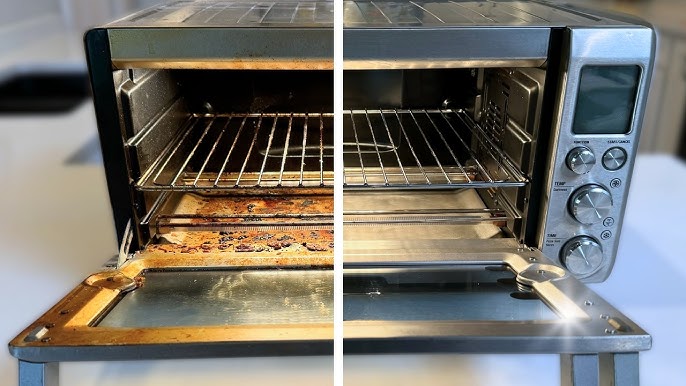
Persistent oil stains need targeted treatment. Mix 2 cups hot water with 1 teaspoon grease-cutting soap and 2 tablespoons lemon juice. This combination breaks down fat molecules effectively. Soak stained areas for 1 hour, then scrub gently with your non-abrasive sponge. The lemon’s acid cuts through grease while the soap lifts it away—no harsh chemicals required.
Spice and Tomato Discoloration Fixes
Turmeric, paprika, and tomato sauces leave orange stains that normal washing won’t touch. Create a solution using 1 part 3% hydrogen peroxide to 3 parts water. Dab this onto discolored spots with a soft cloth and wait 15 minutes. The peroxide gently bleaches stains without harsh chemicals. Wash normally afterward—your pan looks new again without damaging the non-stick surface.
Long-term Pan Maintenance

Season Your Pan Regularly
Every 3-4 uses, maintain that non-stick surface with a light oil coating. After cleaning and drying, add just ½ teaspoon of avocado or grapeseed oil to the pan. Rub it across every surface with a paper towel, creating an invisible protective layer. Heat at 350°F for 3 minutes, then cool completely. This prevents food from sticking during future cooking sessions and extends your pan’s usable life significantly.
Proper Storage Techniques
Never stack heavy items on your clean pan—this scratches the surface and creates permanent damage. Store it completely dry, either nested inside your air fryer or in a cabinet with good airflow. If space requires stacking, place a soft cloth or paper towel between each item. This simple step prevents the microscopic scratches that eventually ruin non-stick coatings and cause food to stick permanently.
Avoid These Common Cleaning Mistakes
Never use steel wool, metal scouring pads, or abrasive cleaners—these create permanent scratches that worsen over time. Skip bleach, ammonia, and oven cleaners entirely; they’re too harsh for non-stick surfaces. Avoid shocking your hot pan with cold water, which causes warping that can’t be reversed. Remember: you’re cleaning only the pan, never submerging the air fryer’s base or heating element. Using harsh tools or chemicals voids your warranty and destroys the non-stick coating within weeks.
Fix Persistent Problems

When Coating Peels or Warps
If you notice non-stick coating peeling, stop using the pan immediately. Contact Cuisinart customer service for replacement options—continued use risks flakes mixing into your food. For minor warping, place the pan in your air fryer and heat at 350°F for 10 minutes; sometimes the metal relaxes back into shape. Severe warping requires replacement, as it affects cooking performance and creates uneven heating that burns food.
Eliminate Lingering Odors
Strong food smells can transfer between meals. Eliminate them by mixing 1 cup water, ½ cup white vinegar, and 2 tablespoons baking soda in your pan. Run the air fryer at 350°F for 5 minutes—the steam deodorizes naturally without chemicals. Wipe clean afterward and your pan smells fresh and neutral, ready for your next cooking session without flavor contamination.
Your Cuisinart air fryer pan represents a significant kitchen investment. With these specific cleaning techniques, you’ll maintain its non-stick surface and cooking performance for years. Quick daily cleanings prevent buildup, while occasional deep cleaning tackles stubborn messes. Remember: gentle products, proper temperatures, and consistent maintenance keep your pan performing like new. Implement these methods today, and your Cuisinart air fryer pan will deliver perfect crispy results meal after meal without costly replacements.