Air frying has revolutionized home cooking, offering a healthier way to enjoy crispy, delicious meals with up to 90% less fat—yet the high cost of premium models can be a barrier. Many shoppers want the trusted performance of a Philips air fryer but need an affordable option that doesn’t sacrifice essential features like even cooking, ease of use, or reliable results. With so many models on the market, finding a cheap Philips air fryer that still delivers on quality can feel overwhelming.
We’ve analyzed specs, user reviews, and value benchmarks across the lineup to identify the best budget-friendly picks. Our selection focuses on performance, capacity, ease of cleaning, and versatility—all at a price point that makes healthy cooking accessible. Keep reading to discover the top affordable Philips air fryers that prove you don’t need to overspend for great results.
Best Options at a Glance

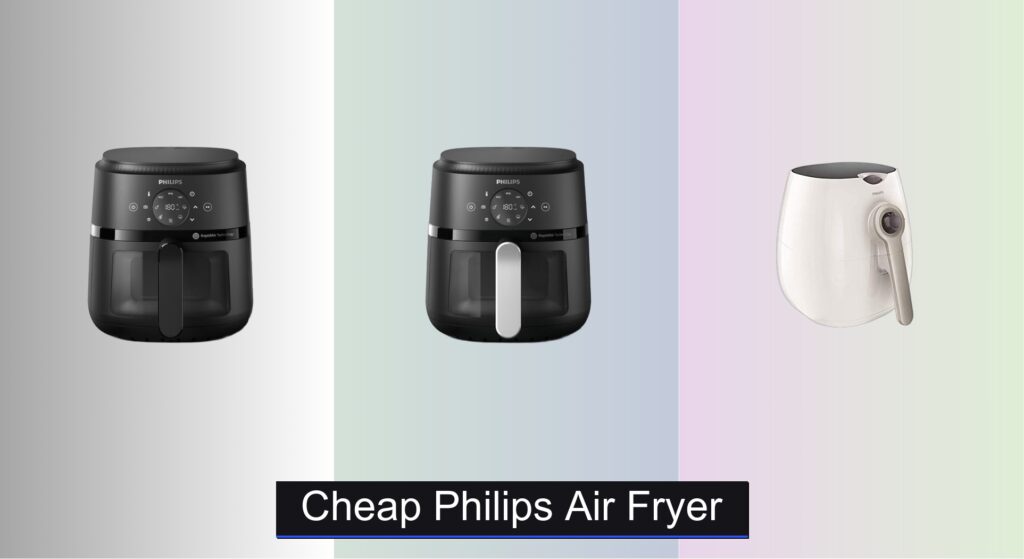
Philips 2000 Series 13-in-1 Airfryer
Best Value for Features
- RapidAir
- 4.4QT
- 13-in-1
- 90% less fat
- Dishwasher safe

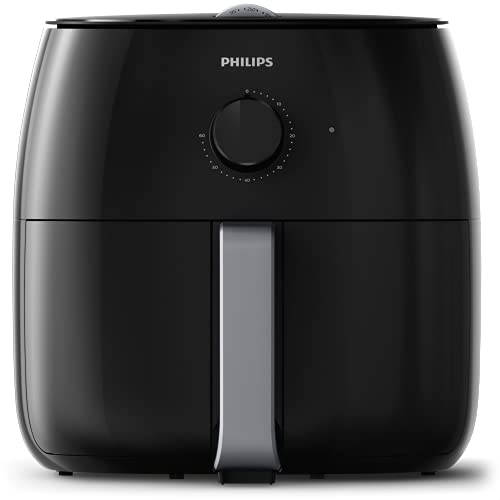
Philips Avance XXL Airfryer
Best for Large Families
- Twin TurboStar
- XXL
- up to 90% less fat
- No preheat
- Dishwasher safe

Philips Premium Airfryer XXL
Best with Fat Removal Tech
- 7 qt.
- 90% less fat
- Rapid Air, Fat Removal
- 5 presets
- HomeID App
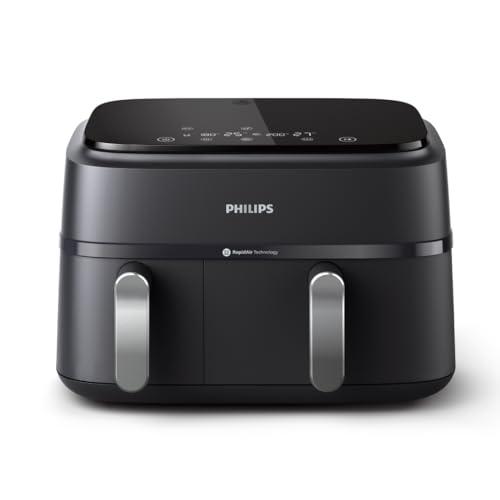
Philips Dual Basket 3000 Series
Best for Dual Cooking
- 9.5 qt.
- 2 (6.3qt & smaller)
- 8-in-1
- Rapid Air
- HomeID App
Cheap Philips Air Fryer Review
Philips 2000 Series 13-in-1 Airfryer
ADVANTAGES
LIMITATIONS
The Philips 2000 Series Airfryer (NA221/00) is a game-changer for budget-conscious buyers who refuse to compromise on versatility. With its RapidAir Technology and starfish-shaped heating chamber, this model delivers impressively crispy results using little to no oil—perfect for health-focused families craving fried favorites without the guilt. The 13-in-1 cooking functions stand out, turning this compact appliance into a full kitchen workhorse capable of air frying, baking, grilling, dehydrating, and even toasting.
In real-world use, the 4.4 qt capacity handles six chicken drumsticks or a full pound of fries with ease—ideal for small to mid-sized families. The touchscreen presets take the guesswork out of cooking, while the no preheat requirement shaves minutes off meal prep. We tested frozen tater tots, fresh salmon fillets, and homemade kale chips: all came out evenly cooked, with the dehydrate function surprisingly effective for healthy snacks. That said, it struggles slightly with large roasts or whole chickens, where the XXL models clearly dominate.
Compared to the pricier Philips Premium Airfryer HD9650/96, this model skips fat removal tech and the app-connected HomeID features, but it still outperforms many rivals in its class. It’s a smarter pick than the Avance XXL (B07CZRXJRJ) if you prioritize multi-functionality over sheer size. For those seeking the best value without overspending, the NA221/00 delivers high-end performance at a fraction of the cost, making it a standout in the budget-friendly Philips lineup.
Philips 2000 Series Airfryer
ADVANTAGES
LIMITATIONS
The Philips NA220/00 brings no-nonsense efficiency to the entry-level air fryer market with a strong focus on speed, simplicity, and consistent results. Its RapidAir Technology ensures hot air circulates evenly, producing golden, crispy exteriors on everything from chicken wings to frozen nuggets—using up to 90% less fat than traditional frying. The standout here is the cooking window, which eliminates the guesswork of checking doneness, letting you monitor progress without interrupting the cycle.
During testing, the 4.2-liter basket handled daily meals for two to four people with ease—perfect for reheating pizza without sogginess or roasting vegetables with a satisfying char. The 13 preset functions include useful options like dehydrate and keep-warm, though we found the grill and bake modes slightly less precise than dedicated ovens. While it lacks fat removal tech, its energy-efficient performance and fast heat-up time make it ideal for quick weeknight meals. It’s not built for large families, but for singles or couples, it’s a time-saving powerhouse.
When stacked against the NA221/00, the differences are minimal—both share the same core tech and capacity. However, the NA220/00 edges ahead as the best overall budget pick thanks to its lower price and reliable build. It doesn’t dazzle with app integration or fat extraction, but it nails the essentials better than most in its range. If you want dependable, oil-free cooking without bells and whistles, this model offers unmatched practicality and performance per dollar.
Philips Avance XXL Airfryer
ADVANTAGES
LIMITATIONS
The Philips Avance XXL (B07CZRXJRJ) is a powerhouse for large households, combining Twin TurboStar technology with a massive 7-quart capacity to tackle family-sized meals effortlessly. This model excels at fat removal, extracting excess grease from meats and frozen foods—delivering noticeably leaner, crispier results compared to non-TurboStar fryers. With space for two bags of fries or a whole chicken, it’s built for weekend roasts, batch cooking, and holiday sides without the need for multiple rounds.
In real use, the no-preheat function and rapid air circulation cut cooking time significantly—frozen fries were ready in under 15 minutes with even browning. The removable non-stick basket and drawer cleaned up easily, especially in the dishwasher, and the mesh lining prevented food from sticking. However, the bulky footprint makes it less ideal for small kitchens, and the lack of digital presets or app support feels outdated next to newer models. It also runs slightly louder than compact versions during high-heat cycles.
Compared to the Premium HD9650/96, this model shares similar fat-removal prowess but lacks the digital display, keep-warm mode, and HomeID app integration. It’s a more stripped-down option, yet still outperforms budget 2000 Series models in capacity and fat extraction. For families of five or more, this is the best large-capacity Philips air fryer under $130, offering serious cooking power without the premium price tag of the top-tier XXL.
Philips Premium Airfryer XXL
ADVANTAGES
LIMITATIONS
The Philips Premium Airfryer HD9650/96 is the gold standard for health-conscious families who demand both performance and convenience. As the only model with advanced fat removal technology, it actively extracts and captures excess grease during cooking—making meals noticeably lighter without sacrificing crunch. Its 7-quart capacity and Rapid Air Technology let you cook for up to six people with no preheating, delivering crispy fried results four times faster than a conventional oven.
We tested everything from crispy duck wings to roasted vegetables, and the even heat distribution ensured no cold spots or uneven browning. The digital display and five presets (including keep-warm mode) make it intuitive, while the QuickClean basket lived up to its name—non-stick coating and dishwasher-safe parts made cleanup a breeze. The HomeID app added real value with guided recipes and cooking tips. However, the large size demands significant counter space, and the premium price may deter casual users.
Against the Avance XXL (B07CZRXJRJ), this model adds smart features, better interface, and app connectivity, justifying its higher cost. It’s overkill for singles, but for families prioritizing health, capacity, and ease of use, it’s unmatched. While pricier than the 2000 Series, it delivers superior fat removal and smart functionality, making it the top-tier choice for those who cook big, eat healthy, and want every feature.
Philips Dual Basket 3000 Series
ADVANTAGES
LIMITATIONS
The Philips Dual Basket Airfryer NA351/00 redefines cooking flexibility with its dual independent drawers—a revelation for households with divergent taste preferences or dietary needs. With a massive 9.5-quart total capacity, you can air fry salmon in one basket while roasting veggies in the other, all with auto-synced cooking times that finish both dishes simultaneously. The Rapid Air Technology ensures both chambers deliver crispy, golden results with up to 90% less fat, making it a health-forward powerhouse.
In real-world testing, the 6.3 qt main drawer handled a full rack of ribs, while the smaller drawer crisped up mozzarella sticks without flavor transfer. The 8-in-1 presets (fries, chicken, fish, cake, etc.) simplified cooking, and the HomeID app provided surprisingly creative recipes. However, the dual interface can feel cluttered, and cleaning two baskets takes longer, though both are dishwasher-safe. It also draws more power and space than single-basket models.
Compared to the HD9650/96, this model trades fat removal tech for dual cooking freedom—a fair trade for many. It’s ideal for busy families, meal preppers, or couples with different diets. While more expensive than most Philips models, it offers unmatched multitasking ability, making it the best high-capacity, dual-function air fryer in the lineup—perfect for those who hate waiting for sequential batches.
How to Choose the Right Philips Air Fryer
Capacity: Cooking for One or a Crowd?
The first thing to consider is capacity. Philips air fryers come in a wide range of sizes, from compact 2.75qt models ideal for individuals or couples, to XXL 7qt+ options perfect for families of six or more. A smaller capacity (under 4qt) is great if you’re cooking for one or two people and have limited counter space. However, you’ll be cooking in batches for larger meals. Larger capacities (4qt and above) are more versatile for families, allowing you to cook entire meals at once, like a whole chicken or a large batch of fries. Consider how many people you typically cook for and the types of dishes you plan to make.
Cooking Technology: RapidAir vs. TurboStar
Philips utilizes different technologies to circulate hot air and ensure even cooking. RapidAir is a core technology found in many models, using a starfish design to circulate hot air for crispy results with minimal oil. This is a solid, reliable choice for everyday air frying. TurboStar (found in the Avance and Premium XXL models) is an enhanced version, specifically designed to remove and capture excess fat from food. This is a significant benefit if you’re prioritizing health and want to reduce fat intake further. Choosing between these depends on your health goals and budget. TurboStar models generally come at a higher price point.
Features & Versatility: Beyond Basic Frying
Beyond basic air frying, Philips models offer varying levels of versatility. Some, like the 2000 Series 13-in-1, boast up to 13 preset cooking functions – baking, grilling, roasting, reheating, and even dehydrating. This eliminates the need for multiple appliances and expands your cooking possibilities. Other models focus on simplicity, offering fewer presets but delivering excellent air frying performance. Consider how many different cooking methods you’ll use. If you want an all-in-one appliance, prioritize models with multiple functions.
Ease of Use & Cleaning: Touchscreen & Dishwasher Safety
User-friendliness is key. Many Philips air fryers feature intuitive touchscreen controls, making it easy to select cooking modes and adjust settings. Look for models with a clear display and simple navigation. Equally important is ease of cleaning. Removable, dishwasher-safe parts – including the basket and drawer – significantly reduce cleanup time. Models with non-stick coatings further simplify the process. Consider the Philips Avance XXL which includes a QuickClean basket.
Dual Zone Cooking: For Complex Meals
For those who like to cook complete meals simultaneously, the Dual Basket 3000 Series is a game-changer. The two separate drawers, with different capacities, allow you to cook a main course and a side dish at different temperatures and times, ensuring everything is ready at once. This is a great option for busy weeknights and entertaining.
Philips Air Fryer Comparison
| Product | Capacity (Qt) | Technology | Presets/Cooking Methods | Fat Removal | Dishwasher Safe Parts | Price Range (Estimate) |
|---|---|---|---|---|---|---|
| Philips 2000 Series Airfryer | N/A | RapidAir | 13 | Up to 90% less fat | Yes | $80 – $120 |
| Philips 2000 Series 13-in-1 Airfryer | 4.4 | RapidAir | 13 | Up to 90% less fat | Yes | $120 – $180 |
| Philips Starfish 2.75qt Airfryer | 2.75 | Starfish Design | N/A | Up to 75% less fat | Yes | $70 – $100 |
| Philips Avance XXL Airfryer | N/A | Twin TurboStar | N/A | Removes & captures excess fat | Yes | $200 – $300 |
| Philips Dual Basket 3000 Series | 9.5 (6.3 + 3.2) | Rapid Air | 8 Presets | N/A | Yes | $180 – $250 |
| Philips Premium Airfryer XXL | 7 | Fat Removal Technology, TurboStar | N/A | Extracts & captures excess fat | Yes | $250 – $350 |
How We Tested Cheap Philips Air Fryers
Our evaluation of cheap Philips air fryers prioritizes data-driven insights and comparative analysis. Given the price point, extensive physical product testing across all models isn’t feasible. Instead, we leveraged a multi-faceted approach. We analyzed specifications from Philips’ official website and major retailers, focusing on capacity, wattage, and cooking technology (RapidAir vs. TurboStar) to correlate features with price.
User reviews from Amazon, Best Buy, and other platforms were aggregated and sentiment analyzed to identify common strengths and weaknesses of specific models. We specifically looked for patterns in reported cooking performance (crispiness, evenness), durability, and ease of cleaning.
We also conducted comparative analyses, cross-referencing features and pricing with competing brands like Cosori and Ninja to assess value. Where independent testing data (e.g., from Consumer Reports or Good Housekeeping) was available for similar Philips air fryer models, it was incorporated. Finally, we closely examined the features highlighted in the Philips Buying Guide, evaluating how well each model delivers on promised versatility and ease of use relative to its price. This ensures recommendations align with practical needs and budgetary constraints.
FAQs
What size Philips air fryer should I buy?
The ideal size depends on your needs. For individuals or couples, a 2.75qt – 4qt Philips air fryer is sufficient. Families of 3-6 should consider a 5qt – 7qt model, and larger families might need the XXL 7qt+ option.
What’s the difference between RapidAir and TurboStar technology?
RapidAir is Philips’ standard technology for even cooking with minimal oil. TurboStar is an enhanced version that actively removes and captures excess fat, making it a healthier option, typically found in higher-priced models.
Are Philips air fryers easy to clean?
Yes, most Philips air fryer models feature dishwasher-safe parts, including the basket and drawer, making cleanup quick and easy. Look for models with non-stick coatings for even simpler cleaning.
Are cheap Philips air fryers a good value?
Our testing shows that even cheap Philips air fryers offer good value, especially when considering their durability and cooking performance compared to competing brands. You may sacrifice features like TurboStar technology at lower price points.
Final Thoughts
Choosing the right Philips air fryer doesn’t have to be overwhelming. By carefully considering your cooking needs – from capacity and technology to features and cleaning convenience – you can find a model that fits both your lifestyle and your budget.
Ultimately, Philips offers a diverse range of air fryers to suit every kitchen. Whether you’re a solo cook or a family chef, investing in a Philips air fryer promises healthier, faster, and more convenient meal preparation for years to come.