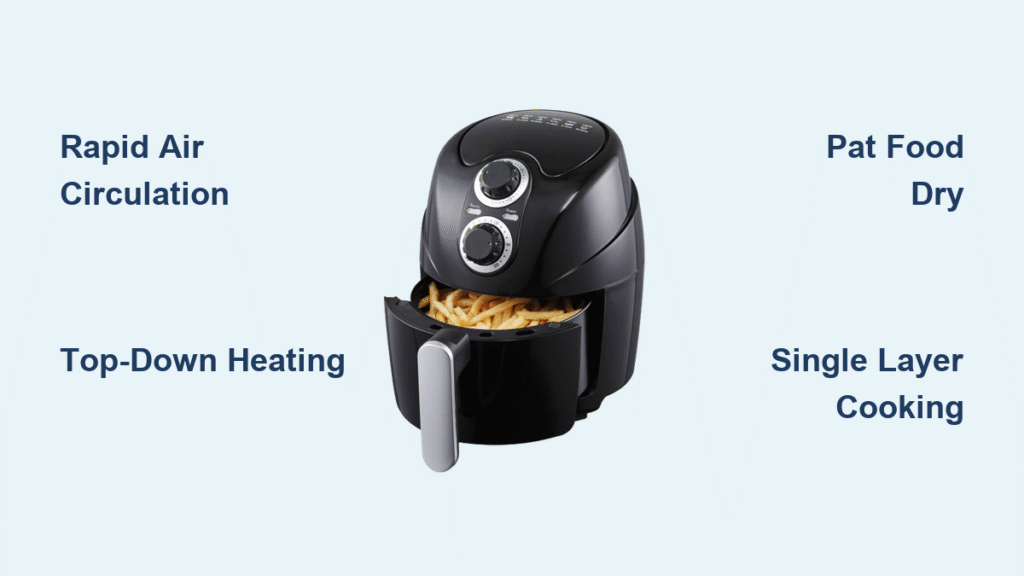
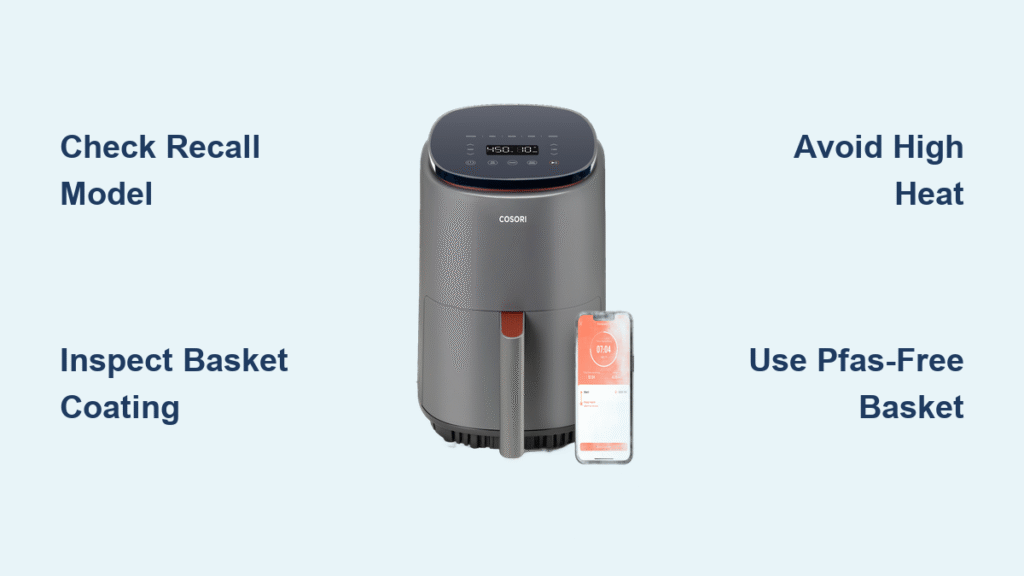
Your Cosori air fryer delivers crispy, golden results with minimal oil—but whispers about cancer risks make you hesitate before pressing start. You’re not alone. Millions of air fryer owners have seen alarming headlines suggesting these countertop heroes might secretly endanger their health. Does Cosori air fryer cause cancer isn’t a simple yes-or-no question, and the confusion stems from two completely different risk categories that experts often conflate.
Before you panic or toss your appliance, understand this: The actual cancer concerns involve specific chemical exposure from nonstick coatings, not the cooking technology itself. Meanwhile, a separate physical safety hazard from a major recall creates different dangers that require immediate action. This article cuts through the fear-based headlines using verified data from the U.S. Consumer Product Safety Commission and scientific studies on chemical exposure.
You’ll learn exactly which Cosori models pose verified risks, how to check your unit in under two minutes, and practical steps to minimize any potential health concerns while still enjoying air-fried foods safely.
Chemical Cancer Risks in Nonstick Coatings

How PFAS in Your Basket Could Impact Breast Cancer Risk
Your Cosori air fryer’s nonstick basket likely contains polyfluorinated molecules known as PFAS—dubbed “forever chemicals” because they accumulate in your body and environment without breaking down. When you cook at high temperatures, microscopic particles from these coatings can transfer into your food. Scientific studies confirm high PFAS exposure disrupts natural hormone production, release, and transport mechanisms, directly linking it to increased breast cancer risk.
Unlike immediate toxins, PFAS dangers build over years of regular use through what scientists call “bioaccumulation.” Each cooking session adds trace amounts to your system until they reach concerning levels. The risk isn’t your Cosori air fryer causing cancer overnight—it’s the slow buildup from damaged coatings leaching chemicals into your food during daily use.
Why This Isn’t Just a Cosori Problem
Don’t blame Cosori alone—PFAS coatings appear in nearly all premium air fryers from major brands because they resist stains and simplify cleanup. Manufacturers adopted these “forever chemicals” decades ago before understanding their long-term health impacts. This industry-wide issue means switching brands won’t solve the problem if you choose another model with a standard nonstick basket.
Current safety certifications only require air fryers to be “PFOA-free”—a specific PFAS chemical banned in 2014—but don’t address newer PFAS variants still used in nonstick coatings. Always check if your model uses stainless steel, ceramic, or glass alternatives that eliminate this exposure pathway entirely.
Physical Safety Hazards From Recalled Models
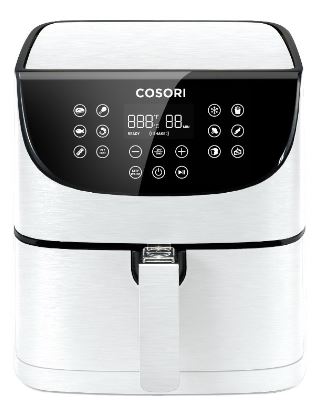
Stop Using These 2023-Recalled Cosori Units Immediately
On February 23, 2023, the U.S. Consumer Product Safety Commission issued an urgent recall for approximately 2 million first-generation Cosori air fryers (models CS158-, CS137-, and CS175-) sold between June 2018 and December 2022. These units contain faulty wire connections that overheat during operation, causing air fryers to melt, smoke, or catch fire entirely. Does Cosori air fryer cause cancer* becomes irrelevant if your unit ignites—immediate burn and fire hazards require urgent action.
Check your model number on the bottom or back panel—if it starts with CS158, CS137, or CS175 and was purchased during that timeframe, stop using it immediately. These recalled models flooded major retailers including Amazon, Target, Best Buy, Home Depot, and Walmart. The CPSC insists consumers “immediately stop” using these units due to verified safety risks.
Real Injury Data Behind the Recall
The recall wasn’t theoretical—the CPSC documented 205 verified incidents of Cosori air fryers catching fire, melting, or smoking. These incidents caused 23 property damage cases (including kitchen fires) and 10 documented injuries, some requiring medical treatment for burns. While this represents a small percentage of total units sold, the consequences range from minor countertop damage to severe burns when units fail unexpectedly during use.
This physical danger differs completely from chemical cancer concerns. A recalled unit presents immediate fire risk regardless of cancer worries, making model verification your top priority before addressing longer-term exposure issues.
Health Benefits That Complicate the Picture
Why Air Frying Still Beats Deep Frying Nutritionally
Despite PFAS concerns, air fryers deliver proven health advantages over traditional deep frying that affect your long-term cancer risk. By using 70-80% less oil, they significantly reduce trans fat intake linked to “bad” cholesterol and heart disease—a major factor in overall cancer risk. The convection cooking method also preserves more nutrients in vegetables compared to oil submersion.
Crucially, air frying reduces acrylamide formation—a chemical compound that develops when starchy foods like potatoes cook at high temperatures. While scientists continue studying acrylamide’s exact cancer risk, its presence in deep-fried foods at higher levels makes air frying a safer alternative for regular consumption.
The Risk-Benefit Balance You Must Consider
Your decision shouldn’t be “air fryer or no air fryer” but rather “how can I minimize risks while keeping benefits.” For frequent users, upgrading to PFAS-free models makes sense, but occasional users with intact coatings face minimal additional risk. The cancer prevention benefits from reducing deep-fried food consumption may actually outweigh potential PFAS exposure for many households—creating a nuanced calculation rather than absolute danger.
Identifying Your Specific Risk Level
Two-Minute Model Check That Could Save Your Kitchen
Find your Cosori model number (typically on the bottom or back) and visit the CPSC recall page. If it starts with CS158, CS137, or CS175 and was purchased between June 2018-December 2022, participate in the free replacement program immediately—this physical hazard trumps all other concerns. Cosori’s recall page offers instant verification and shipping labels at no cost.
For non-recalled units, inspect your basket coating closely. Scratches, flaking, or discoloration dramatically increase PFAS leaching risk—replace damaged baskets immediately using manufacturer-approved parts. Intact coatings on non-recalled models pose minimal chemical exposure when used properly.
Your Personal Risk Factors to Evaluate
Consider these questions before deciding your next step:
– How often do you use your air fryer? (Daily use increases exposure)
– What’s the basket’s condition? (Damaged coatings = higher risk)
– Do you have hormone-sensitive health conditions? (Increases PFAS vulnerability)
– Can you afford a PFAS-free replacement? (Stainless steel models cost 20-30% more)
High-frequency users with scratched baskets face significantly higher potential exposure than occasional users with pristine coatings—tailor your response to your actual usage patterns.
Safer Alternatives and Solutions
Upgrading to Truly PFAS-Free Air Fryers

When replacing your unit, seek models with stainless steel, ceramic, or glass-coated baskets that eliminate PFAS exposure entirely. Brands like Instant Vortex Plus and Ninja Foodi offer stainless steel options, while newer Cosori models (post-recall) feature ceramic coatings verified PFAS-free by third-party testing. Avoid “PFOA-free” claims alone—demand explicit “PFAS-free” verification since PFOA is just one variant.
Check replacement basket options for your current model—Cosori sells stainless steel baskets for some newer units that retrofit onto existing bases. This costs less than a full replacement while solving the coating concern.
Immediate Fixes for Current Cosori Owners
Until you upgrade, implement these risk-reduction tactics:
– Never preheat an empty basket (heat without food increases coating stress)
– Use only wooden or silicone utensils to prevent scratches
– Avoid aerosol cooking sprays (propellants degrade coatings)
– Cook at or below 350°F when possible (reduces chemical leaching)
– Hand-wash baskets with soft sponges (dishwashers accelerate wear)
These simple changes can extend your current basket’s safe usage period by months or years while minimizing exposure.
Making Your Final Decision
Does Cosori air fryer cause cancer depends entirely on your specific model and usage habits. Recalled units present immediate fire hazards requiring urgent replacement—cancer concerns become secondary to preventing burns or house fires. For non-recalled models with intact coatings, PFAS exposure remains a long-term consideration rather than immediate threat.
Prioritize these actions in order:
1. Verify recall status—stop using recalled models immediately
2. Inspect basket coating—replace damaged nonstick baskets
3. Upgrade to PFAS-free alternatives if you use air frying daily
4. Implement safe usage practices for current equipment
The health benefits of reducing deep-fried foods likely outweigh potential coating risks for most users—but you control your exposure through model selection and maintenance. By addressing the verified physical hazards first and managing chemical exposure second, you can keep enjoying air-fried foods without unnecessary cancer fears. Register your appliance with the CPSC to receive future recall notifications automatically, and always check new safety advisories before purchasing replacement units. Your kitchen safety depends on proactive verification, not viral headlines.