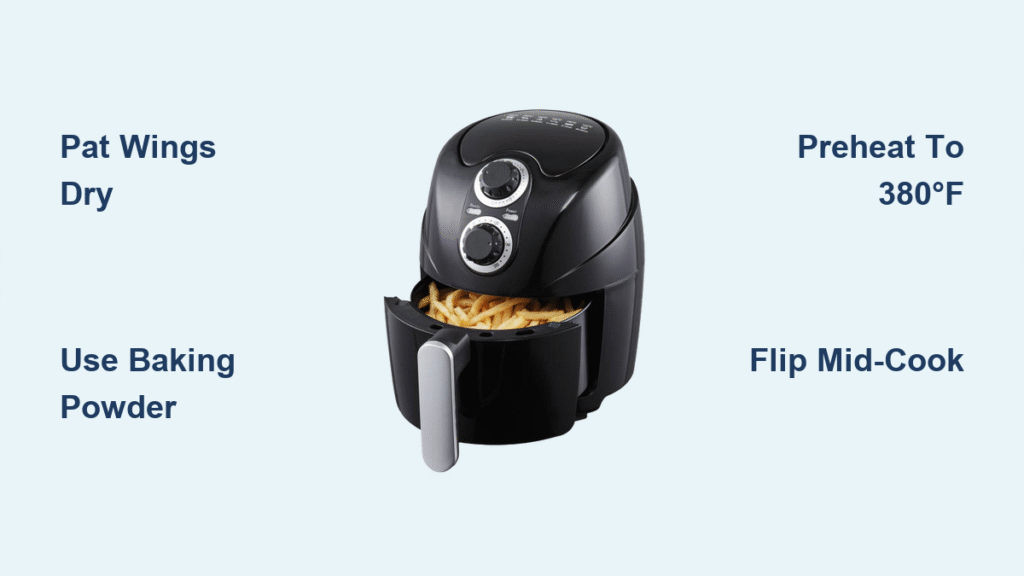
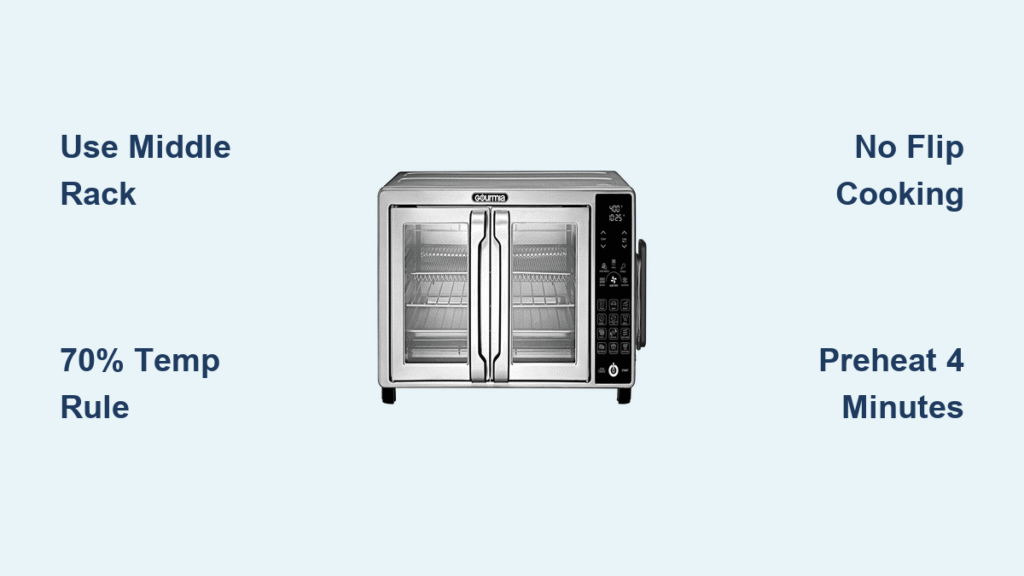
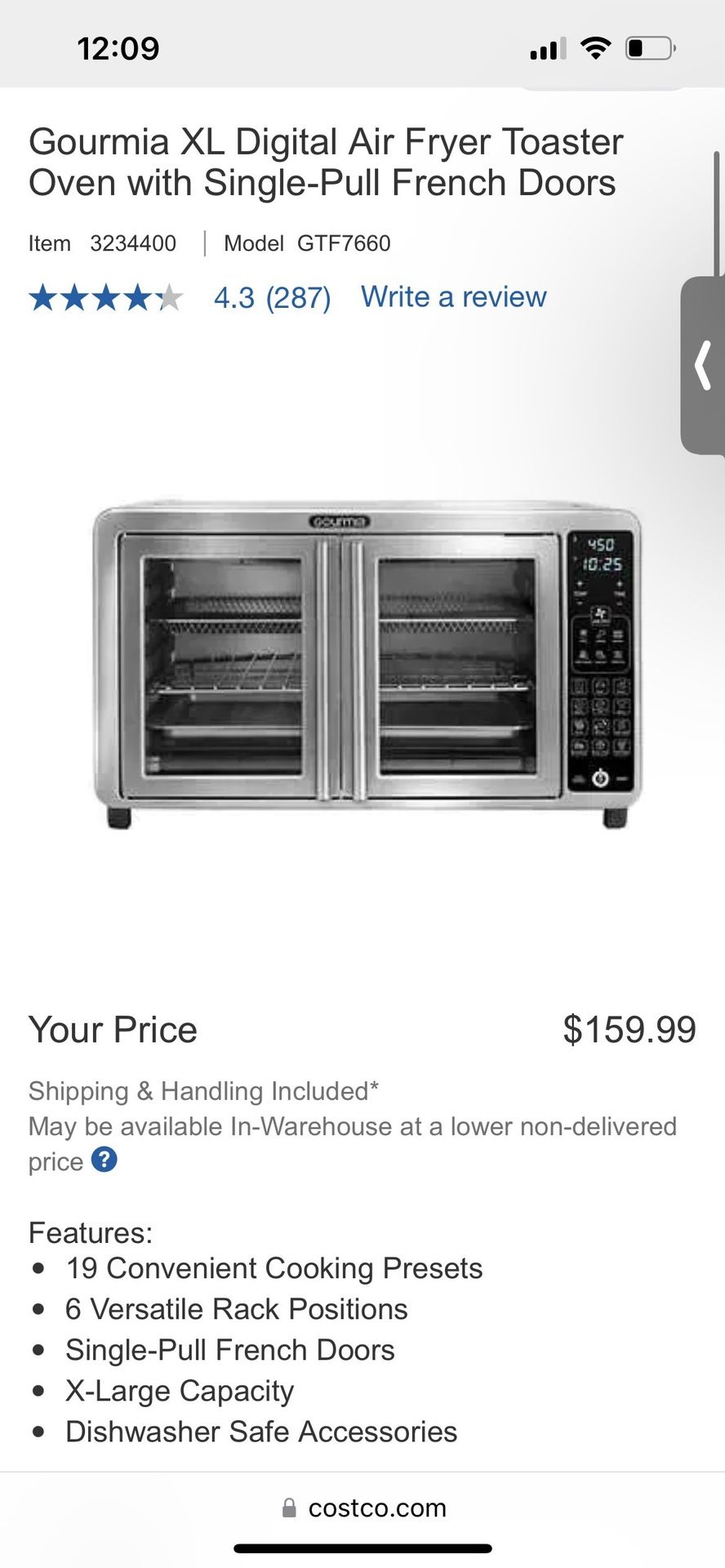
Your Gourmia air fryer oven sits proudly on the counter, promising crispy fries and golden chicken with minimal oil. Yet you’ve scrolled through its manual repeatedly, finding only basic presets—not a single recipe. You’re not alone. Manufacturers like Gourmia rarely include tested recipes in documentation, leaving owners cycling through frozen foods while this versatile appliance gathers dust. This gap exists because Gourmia’s engineering focuses on heat distribution mechanics, not culinary development. But here’s the good news: The same vortex technology that cooks food 20% faster than conventional ovens follows universal air-frying principles you can apply immediately—no brand-specific charts required.
You’ll discover how to leverage your Gourmia’s unique rack positions for perfect results, adapt any standard recipe to its convection system, and avoid the three critical mistakes that turn promising meals into soggy disasters. Forget searching for elusive “Gourmia-approved” instructions; this guide transforms you into an intuitive air-fryer chef using only the machine’s built-in capabilities.
Why Gourmia Owners Struggle to Find Verified Recipes
Manufacturer Documentation Focuses on Mechanics, Not Meals
Gourmia’s technical manuals prioritize safety certifications and electrical specifications over culinary guidance. Their engineering teams validate heating element performance and airflow patterns—not recipe timing. This explains why your manual shows preset buttons for “Chicken” or “Fish” with no temperature/time details. The company assumes users will rely on generic air-fryer knowledge, creating a frustrating gap for beginners.
Third-Party Recipe Sites Lack Model-Specific Testing
Most “Gourmia air fryer oven recipes” online are recycled content from generic air-fryer blogs. These often ignore critical variables like your model’s cubic inches (6-quart vs. 24-quart) or heating element placement. One popular food site tested recipes on a 10-quart model then claimed universal applicability—a dangerous assumption since larger Gourmia ovens require 15% longer cook times at identical temperatures.
The Critical Rack Position Mistake 80% of Users Make
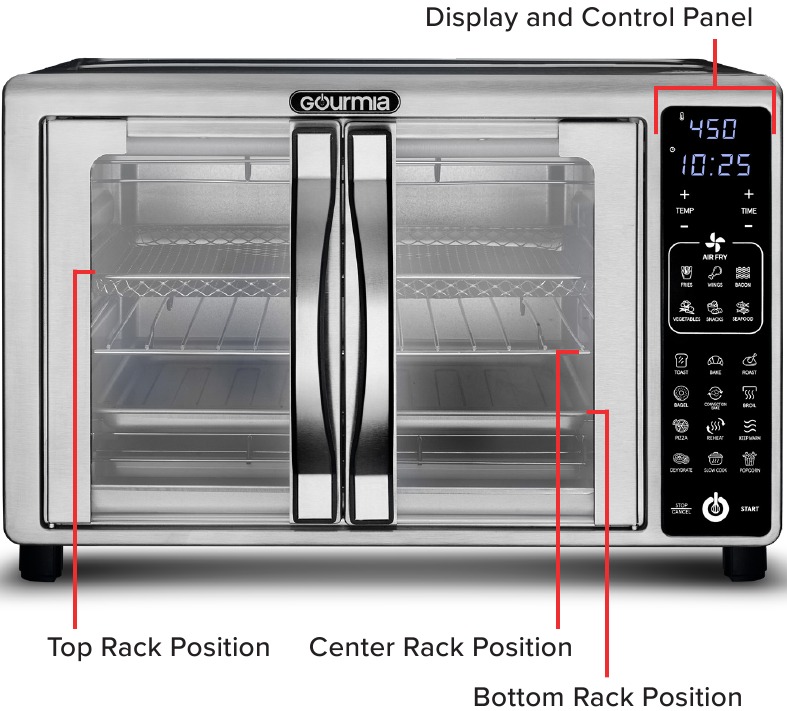
Why your chicken breasts dry out: Placing food on the wrong rack disrupts Gourmia’s patented top-down airflow. Unlike basket-style air fryers, Gourmia ovens use a rear-mounted fan that circulates heat downward. Positioning delicate items like salmon on the top rack exposes them to intense direct heat, causing overcooked exteriors while interiors stay raw. The solution? Always default to the middle rack for even cooking—reserve top-rack placement only for intentional broiling tasks like melting cheese.
Universal Gourmia Cooking Frameworks (No Recipes Needed)
The 70% Temperature Rule for Oven-to-Air Fryer Conversion
Convert any conventional oven recipe using this formula: Take the oven temperature, reduce by 25°F, and cut time by 20%. For example:
– Oven recipe: 400°F for 25 minutes → Gourmia setting: 375°F for 20 minutes
– Critical adjustment: Always check doneness 3 minutes early. Gourmia’s rapid airflow creates deceptive browning—use a thermometer instead of visual cues.
Rack Position Cheat Sheet for Perfect Results
| Food Type | Rack Position | Why It Works |
|————————-|——————-|————————————————–|
| Crispy proteins (chicken, fish) | Middle rack | Balanced airflow prevents rubbery skin |
| Delicate items (eggs, custards) | Bottom rack | Gentle heat avoids curdling |
| Browning tasks (melting cheese) | Top rack | Direct heat mimics broiler without flipping food |
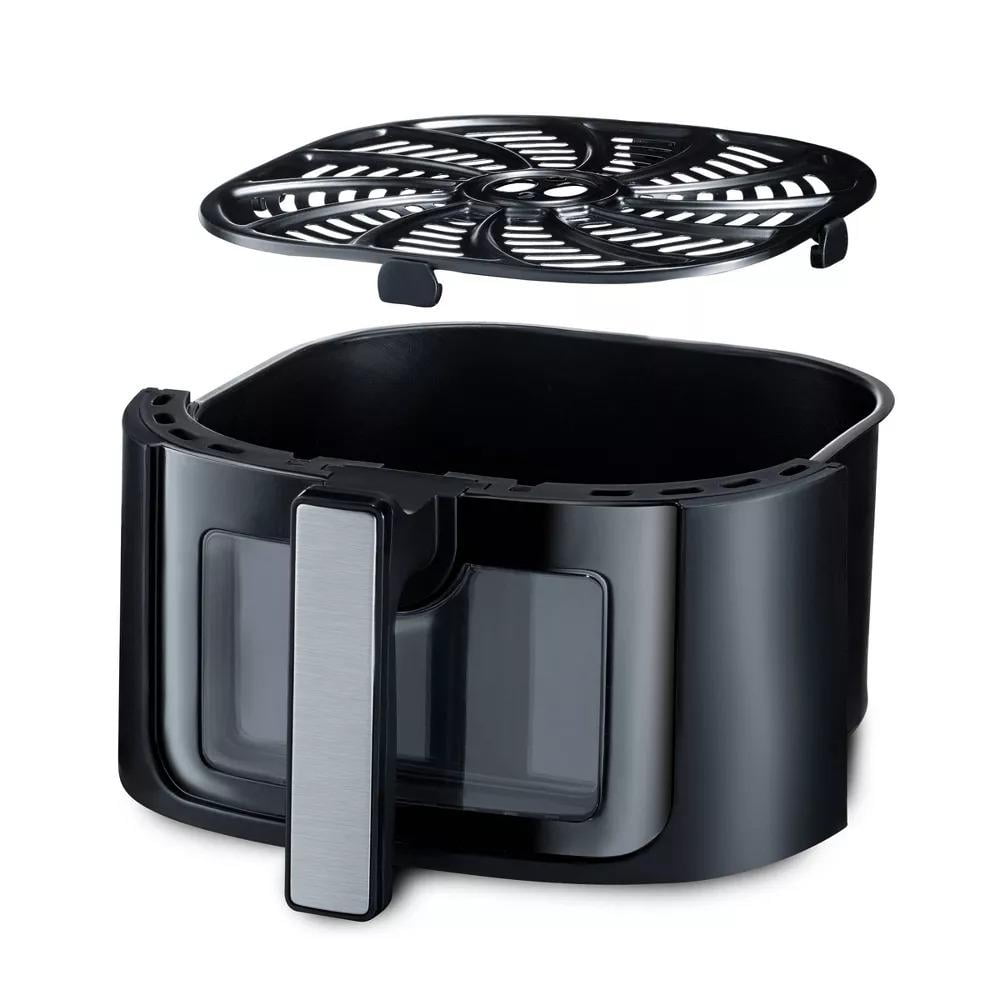
| True “air-fried” texture | Basket insert | Maximizes circulation for crunch (never overcrowd)|
The No-Flip Cooking Method for Juicy Results
Gourmia’s even heat distribution eliminates constant flipping—if you follow these rules:
1. Pat proteins bone-dry with paper towels (moisture creates steam)
2. Place skin-side up for poultry or fish (fat renders downward)
3. Set timer for 75% of estimated time, then check internal temp
Pro tip: For chicken breasts, cook at 375°F on middle rack for 14 minutes—no flipping needed. Rest 5 minutes before slicing to retain juices.
Adapting Common Dishes Without Verified Recipes
Transform Frozen Fries Into Crispy Restaurant-Style
Generic “fry” presets often undercook frozen fries. Instead:
1. Spread fries in single layer on basket insert (overcrowding = soggy)
2. Spray lightly with oil (hold 6 inches away—excess causes smoke)
3. Cook at 400°F for 12 minutes, shaking basket at 6 minutes
Visual cue: Stop when edges turn golden but centers stay tender. Overcooking creates burnt tips.
Roast Vegetables Without Burning
The “Vegetable” preset frequently chars delicate veggies. Better approach:
1. Toss Brussels sprouts or broccoli with 1 tsp oil max (they’ll steam otherwise)
2. Place cut-side down on middle rack for caramelization
3. Cook at 390°F for 10–12 minutes (check at 8 minutes)
Critical mistake to avoid: Adding wet sauces before cooking. Toss with balsamic after air frying.
Bake Cookies Without Flat, Greasy Disasters
Conventional oven cookie recipes fail in Gourmia due to intense top heat. Fix:
1. Preheat 4 minutes (skipping causes uneven spread)
2. Place dough 2 inches apart on parchment-lined middle rack
3. Cook at 325°F for 8–10 minutes (edges set but centers look underdone)
Why this works: Lower temperature prevents butter from liquefying too fast. Cookies firm up while cooling.
Preventing the 3 Costly Gourmia Mistakes
Mistake #1: Ignoring Preheating for Baked Goods
Skipping preheat seems time-saving but causes dense cakes and collapsed muffins. Always preheat 3–4 minutes for anything batter-based. The heating element needs to stabilize—Gourmia’s fan circulates cold air during initial warm-up, delaying proper convection.
Mistake #2: Using Metal Pans That Block Airflow
Gourmia’s manual permits metal cookware, but deep pans disrupt the vortex. Only use low-sided dishes (max 1.5 inches tall). For lasagna, choose a 9×9-inch pan—not a casserole dish. Test: If you can’t see the rack grates beside the pan, airflow is restricted.
Mistake #3: Cleaning While Unit Is Hot
Submerging the drip pan immediately after cooking causes warping. Wait 15 minutes for the unit to cool. Then:
– Wash trays with warm soapy water (never abrasive scrubbers)
– Wipe interior with damp cloth—never spray cleaner directly
– Dry completely before next use to prevent electrical issues
Scaling Any Dish to Your Gourmia Model
6-Quart Models: The Single-Tasker
Maximize efficiency with one protein + one veggie per batch:
– 2 chicken thighs + 1 cup broccoli florets
– Never exceed ½ full capacity (overcrowding adds 8+ minutes)
– Pro tip: Cook proteins first, then add veggies to residual heat
12-Quart Models: The Dual-Zone Powerhouse
Use both racks strategically:
1. Place protein (chicken, fish) on middle rack
2. Put veggies on lower rack in a shallow pan
3. Cook at 375°F—proteins drip fat onto veggies for natural basting
Warning: Don’t cook strongly flavored items (like salmon) above mild foods (rice)
24-Quart Models: The Full Meal Solution
Roast a whole 4-lb chicken + root vegetables simultaneously:
– Chicken on middle rack (breast-side up)
– Potatoes/carrots in drip pan below
– Cook at 375°F for 45 minutes, checking chicken at 40 minutes
Key adjustment: Rotate trays 180° halfway for even browning in large cavities
Final Pro Tips for Recipe-Free Success
Your Gourmia’s greatest strength—rapid, intense heat—is also its trickiest element. Always begin with 20% less time than recipe suggestions, as visual browning lags behind actual doneness. Keep a $10 instant-read thermometer handy; it’s the only reliable indicator for proteins. For baked goods, underdone centers are preferable—they’ll finish cooking via carryover heat.
Most importantly: Stop searching for elusive “Gourmia-specific” recipes. Master these universal airflow principles instead. Swap salmon for cod, broccoli for asparagus, or chocolate chips for nuts—the core timing ratios stay consistent across ingredients. Your air fryer oven isn’t a gimmick; it’s a precision cooking tool waiting for you to harness its vortex power. Tonight’s dinner doesn’t need a manual—just the confidence to experiment.