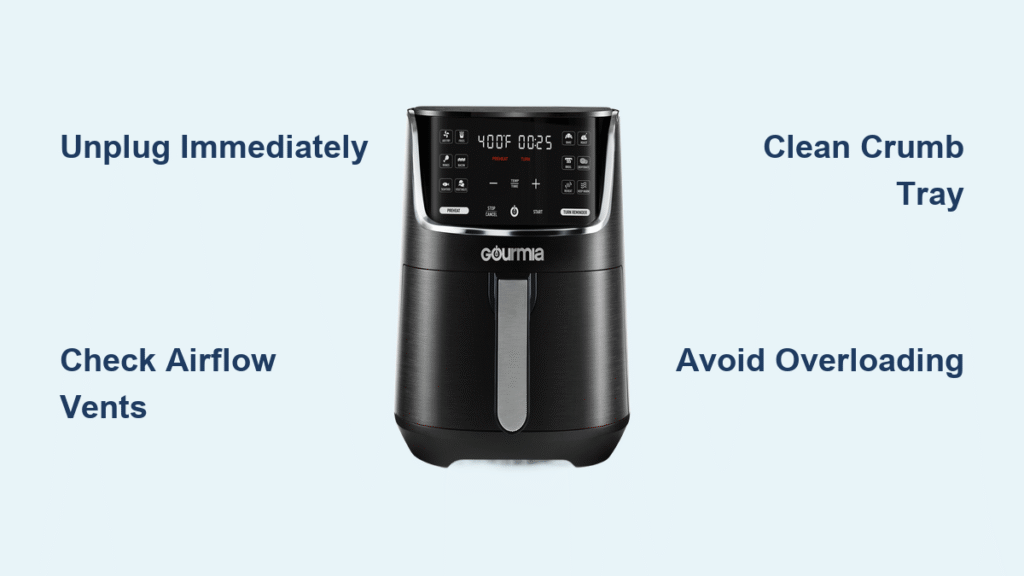
Your Gourmia air fryer suddenly feels dangerously hot, shuts off unexpectedly, or emits concerning odors during cooking. When overheating occurs, you need immediate guidance to protect both your appliance and your safety. While specific technical documentation about Gourmia air fryer overheating is currently unavailable through official channels, understanding general air fryer safety principles can help you respond appropriately to these concerning situations.
The lack of verified information about Gourmia-specific overheating issues makes proper troubleshooting challenging. Unlike some major appliance brands, Gourmia hasn’t published detailed service manuals or model-specific overheating diagnostics that technicians commonly reference. This information gap means owners must rely on universal small appliance safety practices when addressing overheating concerns. By the end of this guide, you’ll know exactly how to respond to overheating incidents, recognize dangerous warning signs, and implement basic prevention strategies that apply to virtually all air fryer models.
Immediate Safety Protocol for Overheating Appliances

Critical First Response Steps
When your air fryer shows signs of overheating, your immediate actions determine whether the situation escalates. Unplug the unit immediately if you notice excessive external heat, smoke, or burning smells—these indicate serious malfunction. Never attempt to cool an overheating appliance with water, as this creates electrical shock hazards. Allow the unit to cool completely for at least 30 minutes before examining it, as internal components remain dangerously hot long after shutdown.
Check for visible damage to the power cord, basket, and housing before considering further use. If you notice melted plastic, scorch marks, or distorted components, discontinue use immediately. These physical changes indicate the unit has exceeded safe operating temperatures and requires professional evaluation. Document any damage with photos before contacting customer support, as visual evidence strengthens warranty claims when available.
Warning Signs Requiring Immediate Discontinuation
Certain symptoms should trigger permanent discontinuation of use until professional assessment. If the exterior casing becomes too hot to touch comfortably (exceeding 140°F), this indicates failed thermal regulation. Automatic shutoffs during normal cooking cycles suggest the safety mechanisms are activating more frequently than designed. Distorted plastic components or persistent melting smells signal dangerous temperature excursions that compromise structural integrity.
Repeated circuit breaker trips when operating your air fryer represent particularly serious concerns. This symptom often indicates internal electrical faults that create fire hazards. Unlike occasional tripping from shared circuits, consistent breaker activation specifically with the air fryer plugged in demands immediate professional attention. Never reset breakers repeatedly to continue using an appliance showing this symptom.
Common Overheating Causes Across Air Fryer Models
.jpg)
Airflow Restriction Issues
Most overheating incidents in air fryers stem from compromised airflow, regardless of brand. Your Gourmia requires unobstructed ventilation through its rear and side vents to dissipate heat effectively. Countertop placement against walls or under cabinets restricts this essential airflow, causing internal temperatures to rise uncontrollably. Similarly, accumulated food debris in the crumb tray or around the heating element blocks proper air circulation.
Overloading the basket remains one of the most preventable causes of overheating. When food items touch the heating element directly or block internal airflow paths, components work harder to maintain temperature, generating excess heat. This problem worsens with fatty foods that create additional smoke and residue, further coating internal components and reducing efficiency. Even proper basket placement matters—slight misalignment can disrupt the engineered airflow patterns.
Electrical Stress Factors
Power supply issues create additional overheating risks that affect all electronic appliances. Using extension cords not rated for the air fryer’s wattage forces components to work harder, generating excess heat. Similarly, operating the unit on the same circuit as other high-wattage appliances (like microwaves or toasters) causes voltage fluctuations that stress internal components.
Damaged power cords represent particularly dangerous electrical hazards. Frayed insulation, kinks, or exposed wires create resistance points that generate significant heat during operation. Always inspect cords before each use, paying special attention to the plug connections where damage most commonly occurs. Any visible cord damage requires immediate replacement before further use.
Essential Diagnostic Checks You Can Perform
Visual Inspection Protocol
Begin diagnosis by unplugging the unit completely and allowing it to cool. Remove the basket and pan to inspect for excessive grease buildup or food debris that might obstruct airflow. Examine the interior walls and heating element area with a flashlight—accumulated residue acts as insulation, trapping heat within components.
Check all ventilation ports using a bright light to reveal hidden blockages. Pet hair, lint, and fine food particles often accumulate in these areas without obvious external signs. Ensure the unit sits perfectly level on your counter, as even slight tilting can disrupt internal airflow patterns designed during manufacturing.
Temperature Monitoring Method
Without model-specific temperature data for Gourmia units, monitor your air fryer’s behavior during normal operation. Note how long components remain hot after shutdown—excessive cooling times indicate heat retention problems. Pay attention to whether overheating occurs consistently at specific temperature settings or during particular cooking times.
Document any patterns you observe: does overheating happen only with certain foods? During extended cooking sessions? When placed in a specific kitchen location? This observational data proves valuable when consulting technical support, especially when manufacturer-specific diagnostics are unavailable.
Basic Maintenance to Prevent Overheating
Essential Cleaning Procedures
After each use, empty the crumb tray and wipe accessible interior surfaces with a damp cloth. Weekly, perform deeper cleaning of removable parts using mild detergent and non-abrasive sponges—never submerge the main unit in water. Pay special attention to the area around the heating element, where grease accumulation most significantly impacts performance.
For vent cleaning, use a soft brush attachment on your vacuum cleaner to gently remove debris from external vents. Avoid inserting objects into vents, as this can damage internal components. Always ensure all parts are completely dry before reassembly to prevent electrical issues during next use.
Safe Usage Practices
Maintain at least six inches of clearance on all sides of your air fryer during operation to ensure proper ventilation. Never place the unit near walls, cabinets, or other heat-sensitive surfaces. Limit basket capacity to two-thirds full to allow adequate air circulation around food items.
Start cooking at lower temperatures than recipes suggest, gradually increasing if needed. Avoid extended operation at maximum temperature settings, as this stresses components unnecessarily. Periodically check that the unit remains stable during operation, as vibration can loosen internal connections over time.
When to Seek Professional Assistance
Recognizing Beyond-User Repair Situations
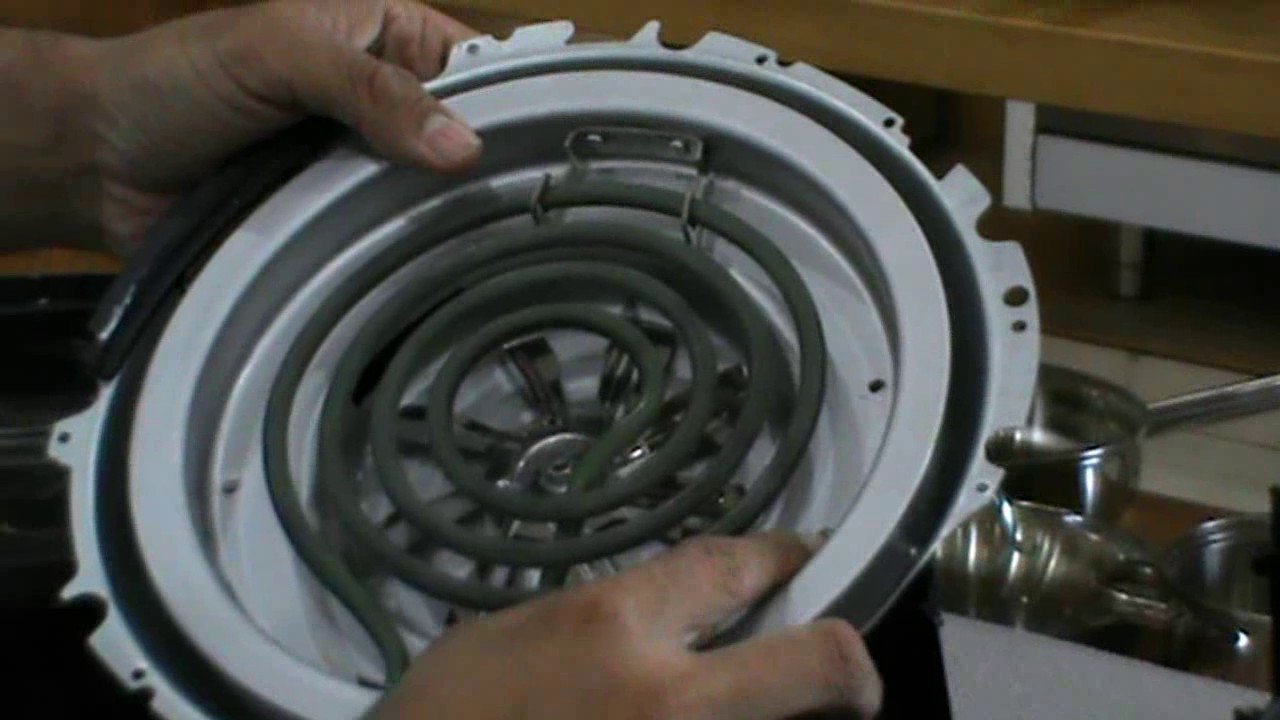
Certain symptoms require professional evaluation rather than DIY fixes. Persistent overheating after thorough cleaning indicates internal component failure. Burning smells originating from within the unit’s housing suggest electrical issues beyond user serviceability. Visible damage to the heating element or control panel necessitates professional repair.
If your air fryer triggers smoke alarms or leaves visible scorch marks on your countertop, discontinue use immediately and seek professional assessment. These extreme symptoms indicate dangerous malfunction that compromises safety mechanisms designed into the appliance.
Navigating Manufacturer Support
When contacting Gourmia support, have your model number, purchase date, and detailed symptom description ready. Document all cleaning and maintenance performed, as manufacturers often require proof of proper care before honoring warranties. If directed to an authorized service center, verify their credentials to avoid voiding any remaining warranty coverage.
Be prepared for potential challenges given the limited public technical documentation available for Gourmia products. If support proves unresponsive, consider consulting independent appliance repair technicians experienced with small kitchen electronics—they may offer solutions despite limited brand-specific information.
Final Safety Considerations
When specific model information is unavailable, prioritize universal appliance safety principles over convenience. No cooked meal is worth risking fire hazards or electrical dangers from a malfunctioning appliance. Regular maintenance remains your best defense against overheating issues, regardless of brand.
If your Gourmia air fryer continues showing overheating symptoms after basic troubleshooting, err on the side of caution and discontinue use. While replacement costs feel significant, they pale against potential property damage or personal injury from electrical fires. When appliance information proves elusive, safety must always guide your decisions—your kitchen’s wellbeing depends on it.