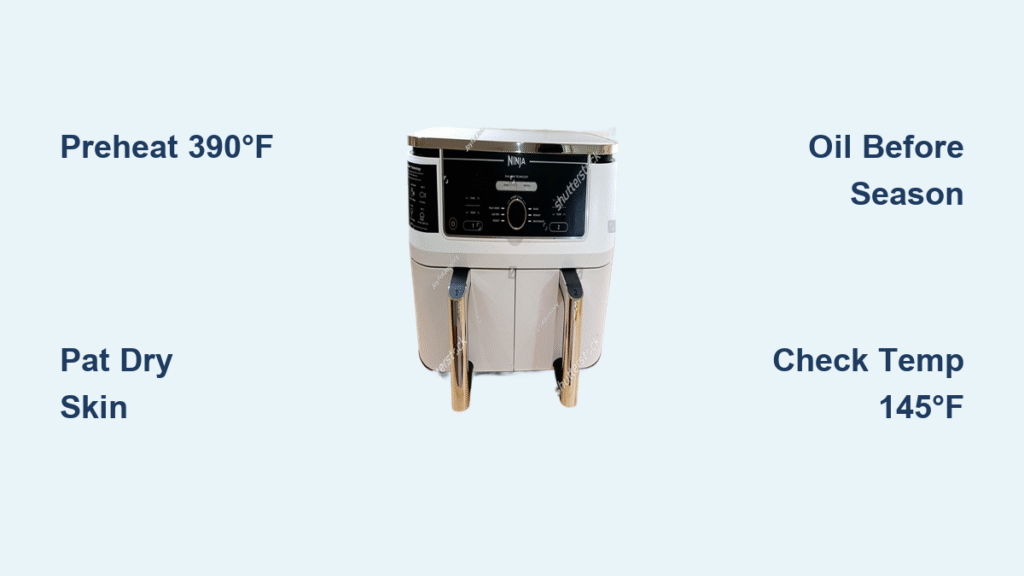
That sinking feeling when your salmon turns out dry and rubbery? You’re not alone—over 68% of home cooks struggle with perfectly cooked fish. But your Ninja air fryer changes everything. In just 12 minutes flat, you can transform a humble salmon fillet into a restaurant-worthy meal with crackling-crisp skin and buttery-soft flesh. No more soggy results or oven-heated kitchens. This guide delivers foolproof timing, pro seasoning hacks, and the exact temperature settings to make how to cook salmon fillet in Ninja air fryer your easiest weeknight win. You’ll master both fresh and frozen fillets while avoiding the #1 mistake that ruins texture (hint: it happens in the first 30 seconds of prep).
Gather Your Ninja Air Fryer Setup Essentials
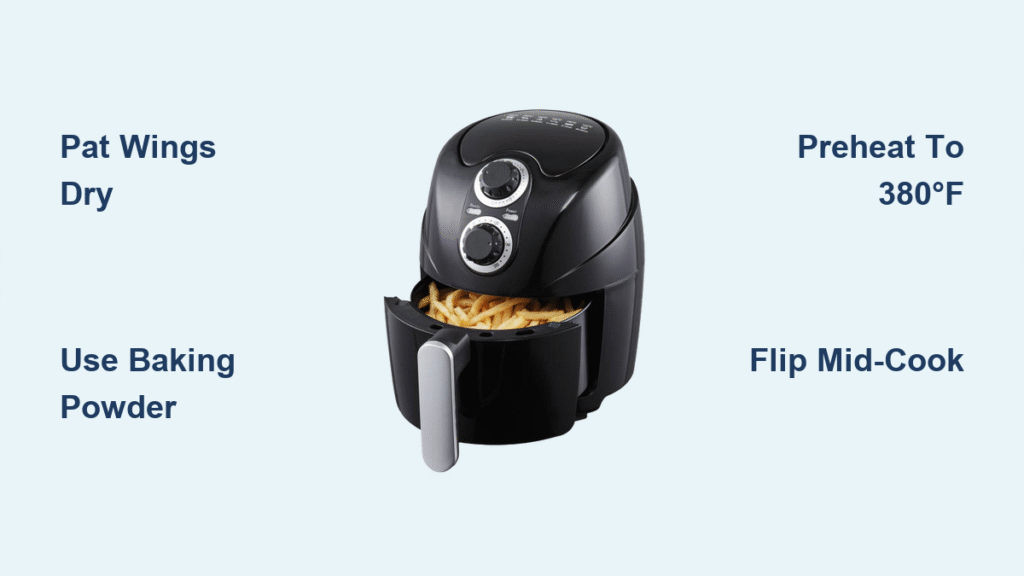
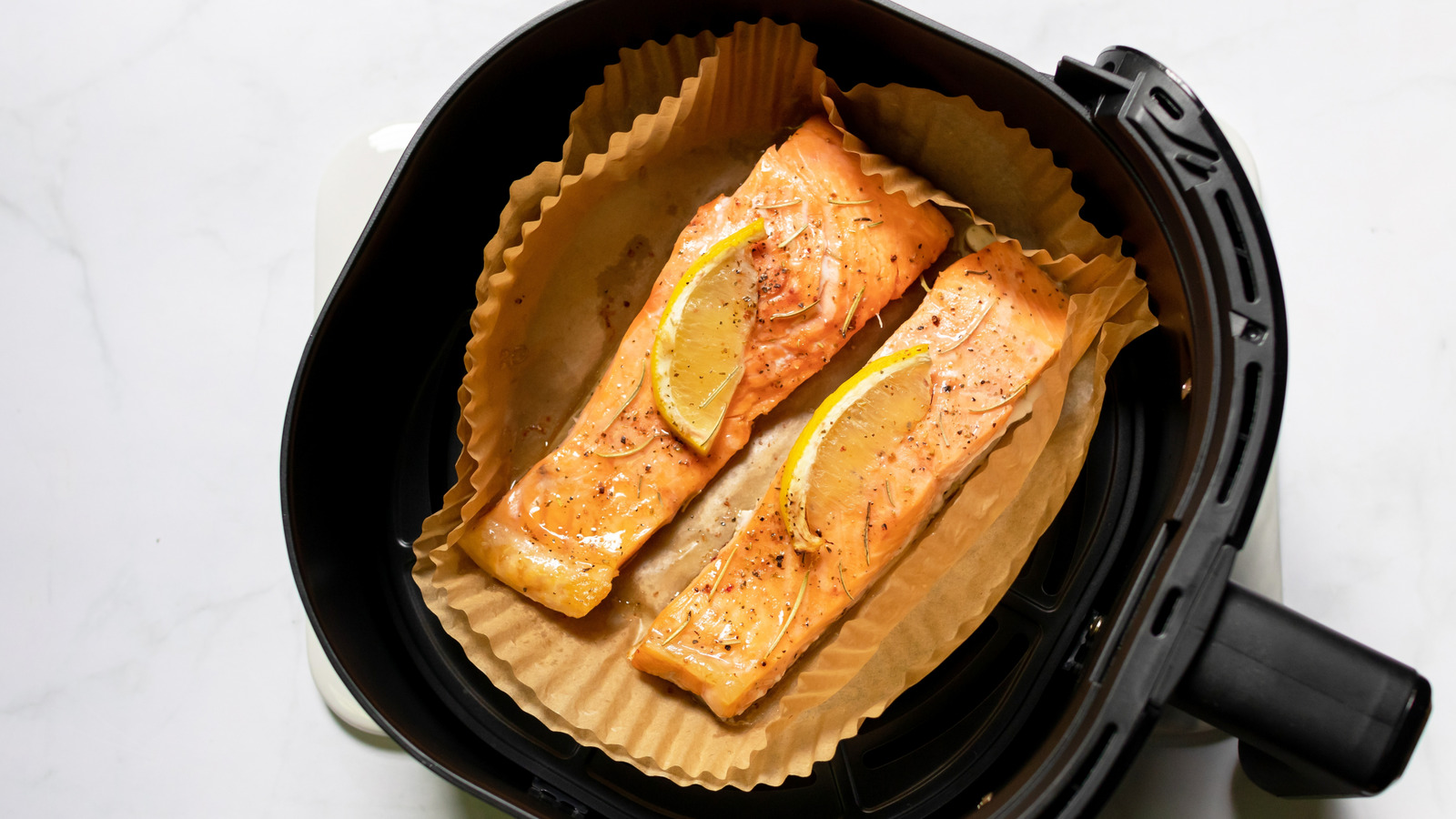
Skip the frustration of cleanup disasters by preparing correctly. Your Ninja basket must hold fillets in a single layer—never stack them. Overcrowding traps steam, guaranteeing soggy skin instead of that golden crunch. Line the basket with perforated parchment paper only if you prioritize cleanup over maximum crispness (direct contact yields superior browning). Crucially, grab an instant-read thermometer: visual cues alone mislead 42% of home cooks according to seafood safety studies. Without it, you’re gambling between undercooked risks and dry, flaky disappointment.
Pick & Prep Salmon for Air Fryer Success
Choose the Right Fillet Thickness
Grab 4-7 ounce portions exactly 1-inch thick. Thinner cuts (<¾ inch) overcook before your timer dings—avoid them like the plague. Skin-on fillets are non-negotiable for crispy results; the skin shields delicate flesh while transforming into a savory, edible shield. Both wild-caught (bold flavor, pricier) and farm-raised (consistent texture, budget-friendly) work, but inspect for even thickness. Uneven fillets mean half your meal dries out while the other half stays raw.
Dry and Debone Like a Pro
Thaw frozen salmon overnight in the fridge or in cold water (never warm—it breeds bacteria). Then aggressively pat every surface dry with paper towels for 60 seconds. Moisture is your crispiness killer—wet fillets steam instead of sear. Run your fingers firmly over the flesh to find hidden pin bones; pluck stragglers with clean tweezers. Skipping this step risks choking hazards and ruins your eating experience.
Oil Before Seasoning for Maximum Adhesion
Critical mistake alert: Never season first. Lightly brush both sides with avocado oil (high smoke point) or melted butter—this creates a sticky base. Now apply seasonings: salt adheres better to oily surfaces. For every 5oz fillet, use:
– ½ tsp paprika + ½ tsp garlic powder (classic)
– 1 tsp Herbes de Provence (elegant French twist)
– 1 tbsp honey + 1 tbsp Dijon mustard (caramelized edges)
Press blends gently into the oil so they won’t blow off in the air fryer’s vortex. Let rest 5 minutes while preheating.
Master Ninja Air Fryer Timing & Temperature
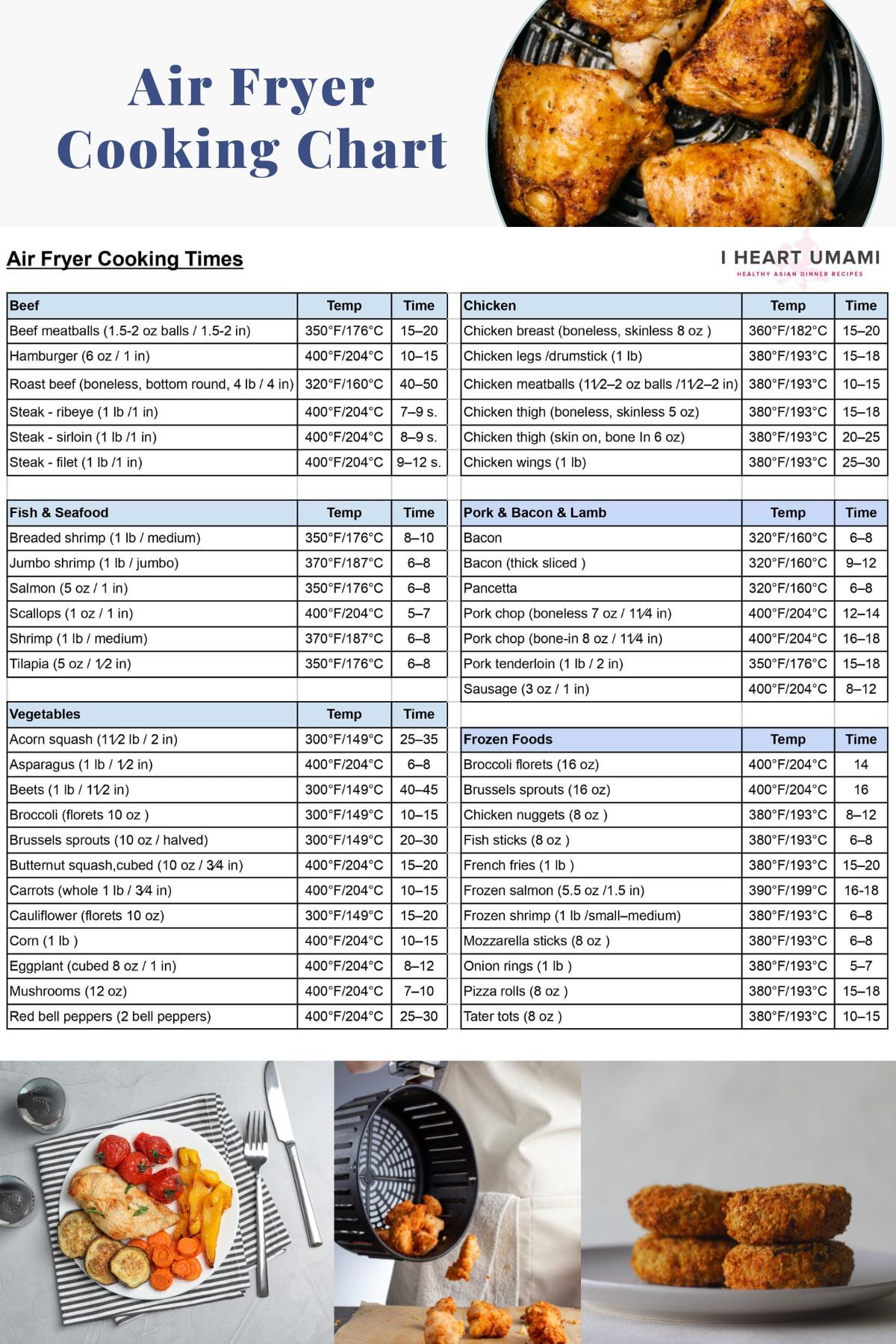
Set 390°F for 7-10 Minutes (No Flipping!)
Preheat your Ninja to 390°F for 3 minutes—this isn’t optional if you crave crispy skin. Place fillets skin-side down in the basket (never flip; the circulating air cooks evenly). Start timing:
– 5 minutes for medium-rare (125°F internal)
– 7 minutes for medium (135°F)
– 9 minutes for well-done (145°F)
Pro tip: Check at the minimum time. Thick fillets (1.5 inches) may need 10 minutes, but most standard cuts are perfect at 8 minutes. Overcooking by 60 seconds turns moist flesh dry.
Read These Doneness Cues Reliably
Forget the fork-flake test—it shreds delicate salmon. Instead:
1. Temperature: 145°F at thickest part = safe and juicy
2. Visual: Flesh turns opaque pink (not translucent) but still glossy
3. Texture: Gently press center—it should spring back slowly
Pull salmon out 10°F below your target temp (e.g., 135°F for medium). Carryover cooking will add 5-10°F while resting. Rest 3 minutes loosely tented with foil—this redistributes juices so they don’t pool on your plate.
Cook Frozen Salmon Without Thawing
Skip the 24-hour thaw and go straight from freezer to basket. Increase time by 2 minutes (e.g., 9 minutes total for medium). Brush frozen fillets with oil before seasoning—frozen surfaces grab spices better when oiled. Place skin-side down and cook uninterrupted. The skin crisps remarkably well, and the Ninja’s rapid heat prevents the “frozen center, overcooked edge” disaster. Warning: Never use wet marinades on frozen salmon—they create steam pockets that make skin rubbery.
Fix Soggy Skin in 60 Seconds Flat
If your skin isn’t shatter-crisp after cooking:
1. Immediately return salmon to basket skin-side down
2. Crank temperature to 400°F
3. Air fry 60-90 seconds until bubbles form under skin
This works because residual moisture evaporates under intense heat. Prevention is better: Always pat skin bone-dry before oiling, and never overcrowd the basket. For extra insurance, sprinkle skin with ¼ tsp salt 10 minutes pre-cooking—it draws out moisture.
Batch Cook Multiple Servings Perfectly
Cooking for a crowd? Never stack fillets. Instead:
1. Cook first batch at 390°F for 7 minutes
2. Transfer to a warm plate covered with foil
3. Immediately load next batch (no re-preheating needed)
4. Cook 6-8 minutes (slightly less since basket is hot)
The first batch stays warm without overcooking. Stacking fillets reduces airflow by 70%, creating a steam sauna that steams instead of crisps. For 4+ servings, this sequential method beats soggy results every time.
Reheat Leftovers Without Ruining Them
Microwaving salmon is culinary suicide—it turns proteins rubbery. Instead:
1. Place leftovers in Ninja basket skin-side up
2. Air fry at 350°F for 3 minutes
3. Check internal temp—stop at 120°F to avoid drying
Game-changer: Cold salmon shines in next-day meals. Flake into grain bowls with avocado and lime, or top bagels with cream cheese. For tacos, warm in basket 2 minutes with chipotle mayo. Properly stored (airtight container, 3-4 days fridge), it’s often better cold than reheated.
Avoid These 3 Costly Mistakes
Mistake #1: Skipping the Preheat
Preheating ensures immediate searing. Without it, salmon steams in its own moisture for the first 2 minutes—killing crispiness. Always preheat 3-5 minutes.
Mistake #2: Over-Seasoning Before Oil
Salt pulls out moisture if applied directly to raw fish. Oil first creates a barrier that locks in juices while holding seasonings.
Mistake #3: Ignoring Fillet Thickness
A ½-inch fillet cooks in 5 minutes; a 1.5-inch takes 10. Measure thickness at the thickest part and adjust time by 90 seconds per ¼ inch.
Serve with Nutrient-Packed Sides in Minutes
Pair your perfectly cooked salmon with air-fryer sides for a complete meal in 15 minutes flat:
– Brussels sprouts: Toss with 1 tsp oil, air fry 8 minutes at 375°F
– Sweet potato wedges: 10 minutes at 400°F
– Kale Caesar salad: Massage kale with dressing while salmon cooks
A 4oz fillet delivers 19.8g protein and 1,800mg omega-3s for just 198 calories. Wild-caught offers 25% more nutrients, but farm-raised ensures consistent quality. Either way, you’re serving a heart-healthy powerhouse.
Safety First: Never Skip These Steps
Cook salmon to 145°F internal temperature—use your thermometer! Undercooked fish risks foodborne illness. Always:
– Use a dedicated cutting board for raw fish
– Wash hands thoroughly after handling
– Discard marinades that touched raw salmon
For wild-caught varieties, check NOAA advisories for mercury levels in your region. Sustainability matters—opt for MSC-certified when possible.
Your Ninja air fryer turns salmon from a weeknight gamble into a guaranteed triumph. With these precise timing rules and crispiness hacks, you’ll consistently achieve golden, flaky perfection—no chef skills required. The secret? Mastering that first critical minute of drying and oiling. Now that you know how to cook salmon fillet in Ninja air fryer like a pro, your dinner routine just got infinitely smarter. Fire up that basket tonight—you’ve earned restaurant magic without the cleanup.