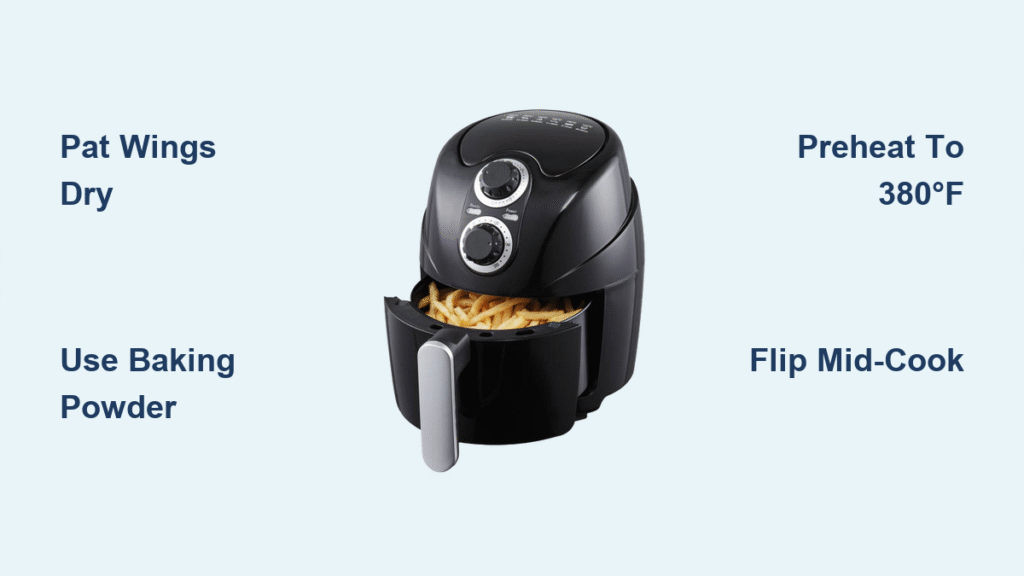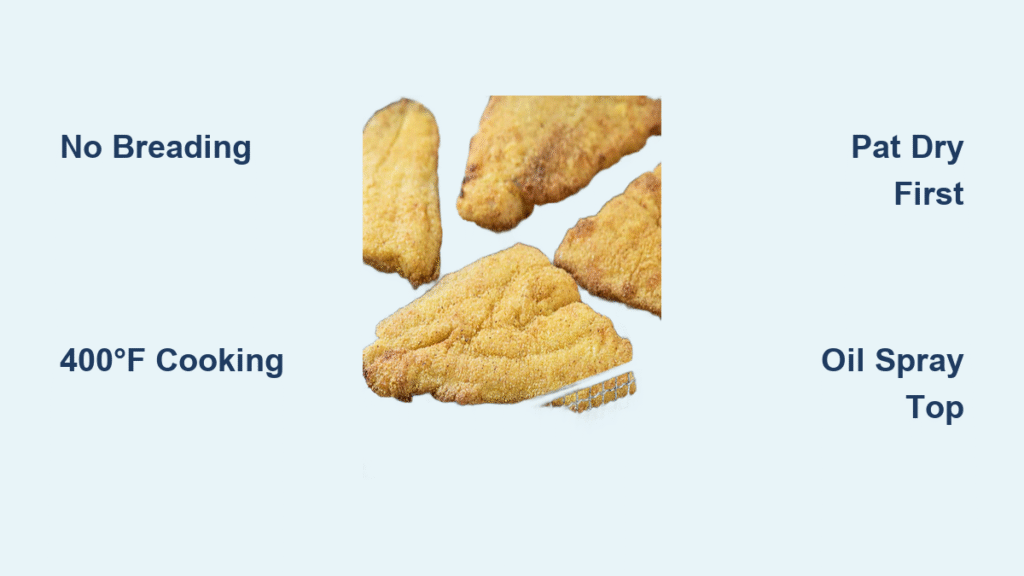
There’s nothing quite like pulling perfectly cooked fish from your Ninja air fryer—crisp golden exterior giving way to tender, flaky flesh with minimal effort. Whether you’re working with frozen fillets straight from the freezer or fresh catches from the market, your Ninja air fryer transforms simple fish into restaurant-quality meals in under 15 minutes, without the mess of deep frying or the dryness of oven baking.
Mastering fish in your Ninja air fryer requires understanding the precise temperatures and timing for different varieties. This compact kitchen powerhouse circulates superheated air to create that coveted crispy texture while locking in moisture—far superior to traditional methods that often leave you with either overcooked edges or underdone centers. In this guide, you’ll discover exactly how to prepare, cook, and serve perfect fish every time, regardless of whether you’re working with delicate tilapia or hearty salmon portions.
Best Fish Types for Ninja Air Fryer Success
Cod, Halibut, and Other Firm White Fish Varieties
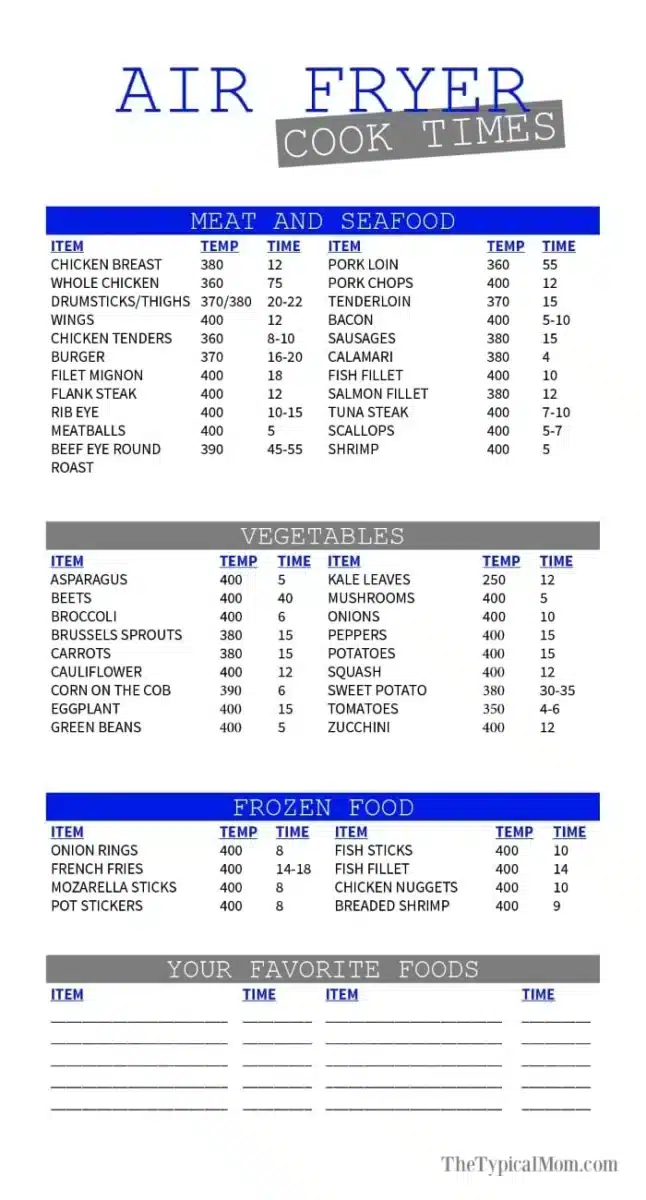
Your Ninja air fryer performs exceptionally with firm, white fish that maintains structure during cooking. Cod fillets emerge with beautiful golden crusts while staying moist inside when cooked at 400°F for 8-10 minutes. Halibut steaks require slightly lower heat at 380°F for 12-14 minutes to prevent drying out their thicker cuts. Tilapia portions cook quickly at 400°F for just 6-8 minutes, making them ideal for weeknight dinners.
Avoid delicate varieties like sole or flounder unless you’re making fish sticks—they’ll likely fall apart during flipping due to their thin structure. Thick-cut mahi-mahi works beautifully when you increase cooking time by 2 minutes per additional ½ inch of thickness.
Frozen Fish Sticks and Salmon Fillets
Frozen fish sticks deliver surprisingly good results in the Ninja air fryer—no thawing required. Cook them at 400°F for 8-10 minutes for perfectly crisp exteriors without soggy centers. The air circulation prevents the steam buildup that often makes oven-baked frozen fish disappointing.
Salmon fillets with skin on cook exceptionally well at 390°F for 9-11 minutes, developing a crackling crisp skin while keeping the flesh moist. For skinless salmon portions, reduce heat to 375°F for 7-9 minutes to prevent overcooking. The Ninja’s rapid heating creates superior texture compared to traditional methods that often dry out this delicate fish.
Perfect Temperature and Timing for Flawless Results
White Fish Cooking Guidelines
Getting the temperature right makes all the difference between perfect fish and a disappointing meal. For most white fish fillets:
- 6 oz cod fillets: 400°F for 8-10 minutes
- 1-inch halibut steaks: 380°F for 12-14 minutes
- 4 oz tilapia portions: 400°F for 6-8 minutes
- Frozen fish sticks: 400°F for 8-10 minutes
Pro tip: Thicker cuts need additional time—add 2 minutes per extra ½ inch of thickness. Always check the thickest part with a fork—fish flakes easily when perfectly cooked.
Salmon-Specific Settings
Salmon requires slightly different treatment due to its higher fat content. Skin-on salmon fillets develop incredible crispiness at 390°F for 9-11 minutes. The high heat renders the fat under the skin, creating that restaurant-quality texture you’d expect from a professional kitchen.
Skinless salmon portions need gentler heat at 375°F for 7-9 minutes to prevent the leaner flesh from drying out. For thick salmon steaks (1.5 inches or more), use 380°F for 12-15 minutes, checking internal temperature to ensure it reaches 125°F for medium-rare perfection.
Foolproof Preparation Techniques
Dry Fish Completely Before Cooking
Moisture is the enemy of crispy fish—this single step makes the difference between golden perfection and soggy disappointment. Pat fish completely dry with paper towels before any seasoning. Even seemingly dry fish releases surface moisture that prevents proper browning in the air fryer.
Critical mistake to avoid: Skipping this step leads to steamed rather than fried texture. Your Ninja air fryer needs dry surfaces to create that beautiful crust through the Maillard reaction.
Simple Seasoning vs. Professional Breading
For quick weeknight meals, keep seasoning simple after drying: light oil spray (avocado or olive oil), salt, black pepper, garlic powder, and paprika for color. The high heat of the Ninja air fryer intensifies these basic flavors beautifully.
For restaurant-quality results, use the three-station breading process:
1. Flour dredge: Seasoned all-purpose flour
2. Egg wash: Beaten eggs with splash of water
3. Crumb coating: Panko breadcrumbs mixed with herbs
Press crumbs firmly onto fish to prevent them from blowing off in the air fryer’s powerful circulation. This technique creates an exceptionally crisp exterior that stays intact during cooking.
Basket Setup for Maximum Crispiness

Proper Spacing and Preheating
Single layer cooking with ½ inch space between portions ensures proper air circulation. Overcrowding creates steam pockets that result in soft exteriors rather than the crispy texture the Ninja air fryer is designed to deliver.
Preheat your Ninja air fryer for 3 minutes at cooking temperature before adding fish. This crucial step ensures immediate searing that locks in moisture and creates better crust formation. Without preheating, fish sits in the basket as the temperature ramps up, leading to uneven cooking and potential sticking.
Accessories That Improve Results
Perforated parchment rounds prevent sticking while maintaining optimal airflow—far superior to regular parchment that blocks circulation. Metal racks allow cooking multiple layers when needed, with thicker portions on bottom and thinner on top for even cooking.
For delicate fillets that might stick, lightly oil the basket or use an avocado oil spray before adding your fish. The non-stick coating works best when properly prepped, preventing frustrating tears during flipping.
Visual Doneness Indicators
How to Tell When Fish Is Perfectly Cooked
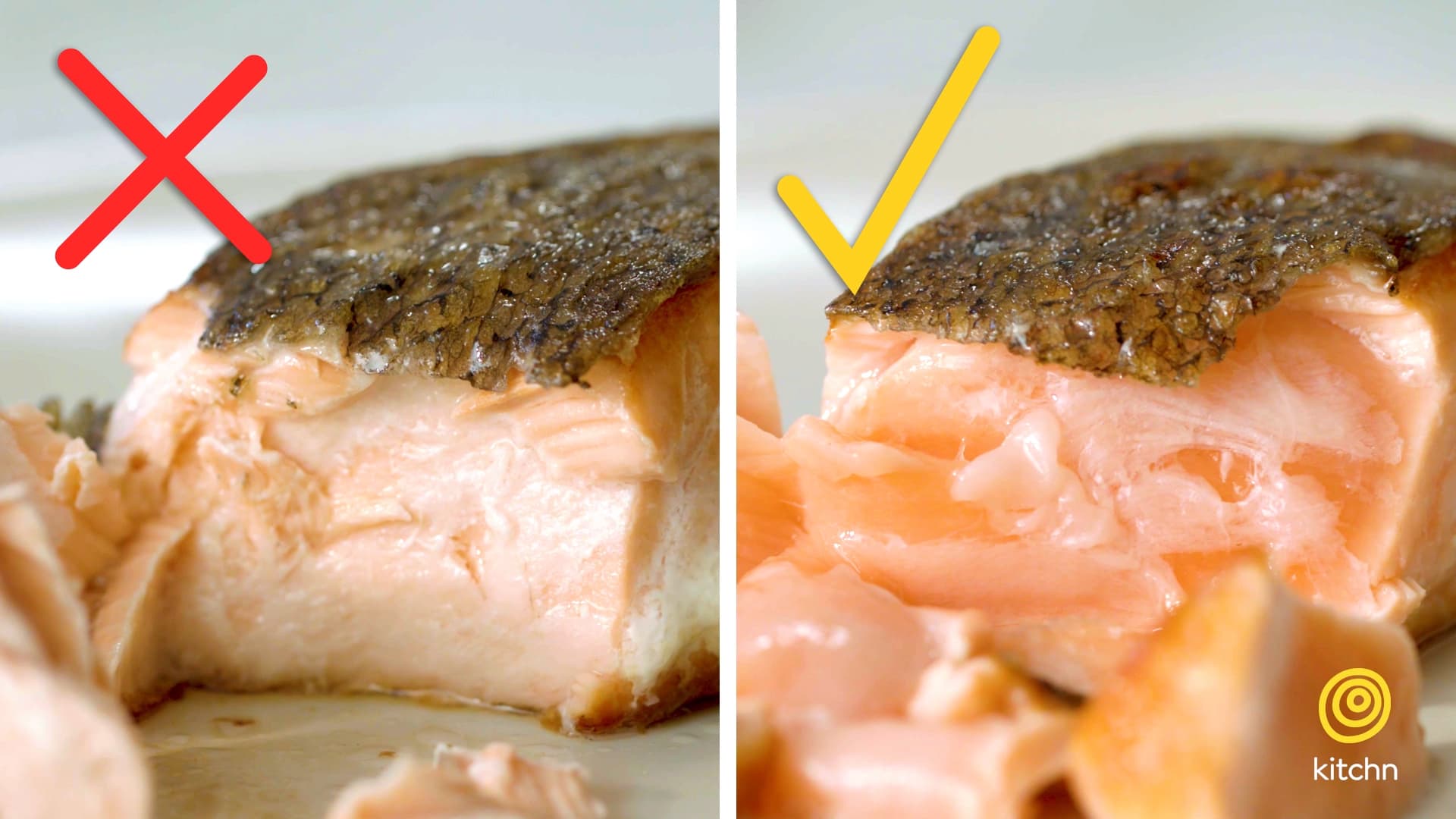
Look for these visual cues that indicate perfectly cooked fish:
– Flakes easily with fork but isn’t dry
– Opaque throughout with no translucent center
– Golden edges with slight caramelization
– For white fish, internal temperature reaches 145°F
– For salmon, internal temperature reaches 125°F
Testing without thermometer: Insert fork at thickest point and twist gently. Fish should separate into moist flakes while appearing opaque. If it resists flaking or appears wet/translucent, continue cooking in 1-minute increments.
Avoiding Common Overcooking Mistakes
Watch for these warning signs of overcooked fish:
– White albumin (protein) seeping from salmon
– Dry, chalky texture when flaked
– Fish pulling apart in dry chunks
– Dark brown or burnt edges
If you notice any of these signs, reduce cooking time slightly next time or check temperature earlier. The Ninja air fryer cooks fish faster than conventional methods, so timing adjustments of just 1-2 minutes make significant differences.
Post-Cooking Cleanup and Maintenance
Immediate Basket Care
Hot water rinse removes most residue immediately after cooking while the basket is still warm. Non-abrasive sponge prevents scratching the non-stick coating. For stubborn bits, soak basket in warm, soapy water while you enjoy your meal—this makes cleaning effortless.
Never submerge the main unit in water—just wipe the exterior with a damp cloth. The heating element rarely needs cleaning if you maintain proper spacing and avoid excessive oil.
Eliminating Fish Odors
Lemon steam method: After cooking, run air fryer empty at 400°F for 3 minutes with lemon slices in basket. This eliminates fish odors and freshens the unit naturally. The citrus scent neutralizes lingering fish smells without harsh chemicals.
For persistent odors, wipe interior surfaces with vinegar solution (1 part vinegar to 3 parts water), then run empty at 350°F for 2 minutes to evaporate any moisture.
Mastering fish in your Ninja air fryer transforms weeknight dinners into impressive meals with minimal effort. Start with forgiving varieties like cod or salmon using these precise temperatures and timing guidelines, and you’ll achieve restaurant-quality results every single time—crispy exterior, moist interior, and none of the cleanup hassle traditional frying creates. The key is understanding how your specific Ninja model interacts with different fish types, then applying these techniques to create consistently perfect results.