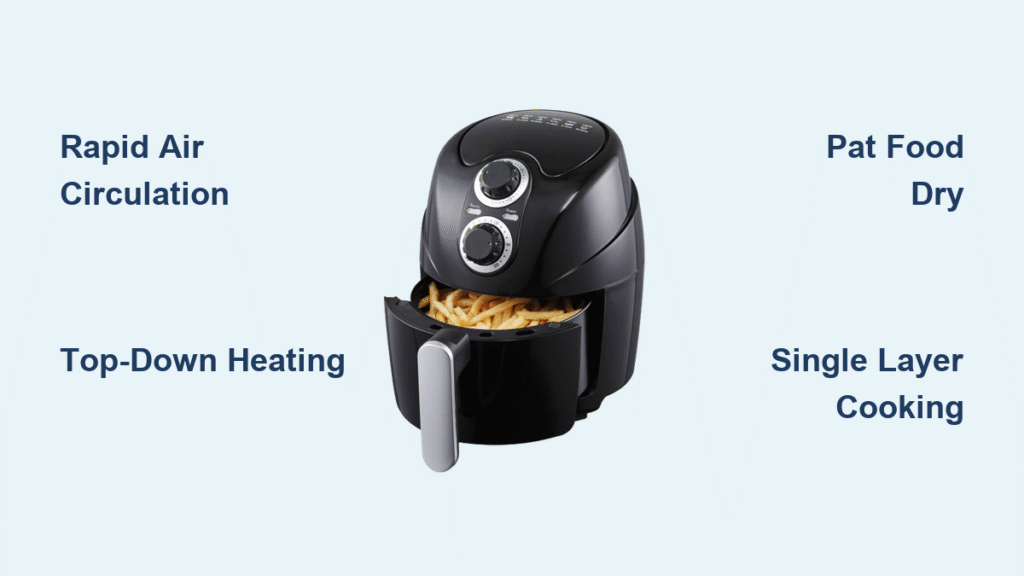
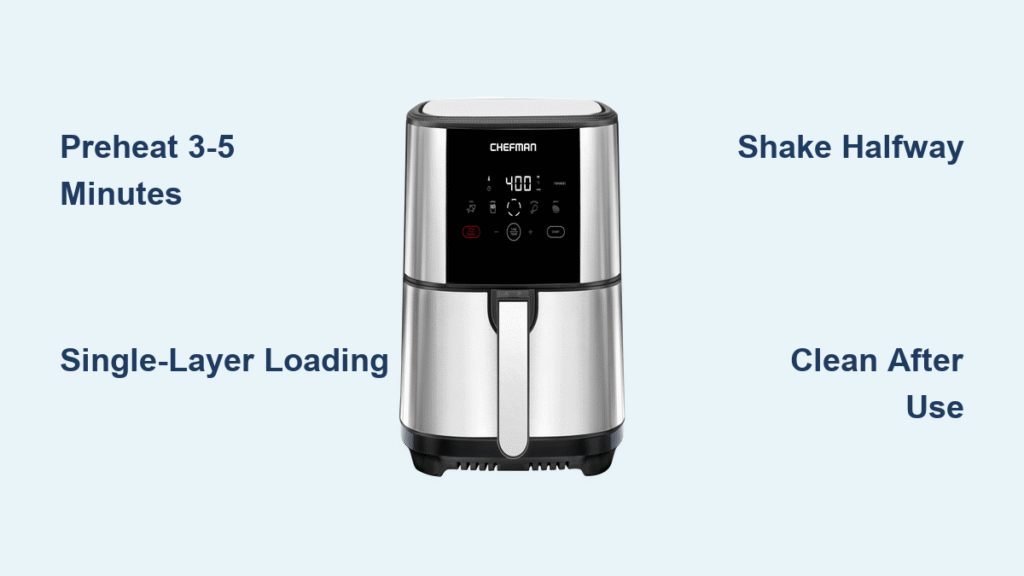
Tired of soggy frozen fries and unevenly cooked chicken? Your Chefman TurboFry air fryer holds the secret to restaurant-crisp results with minimal oil—but only if you know how to use it properly. This powerful countertop appliance circulates superheated air at 200°F to 400°F, transforming everything from weeknight leftovers to delicate salmon fillets in record time. Yet most users miss critical techniques that separate decent results from truly exceptional meals. Whether you just unboxed your TurboFry or have been struggling with inconsistent cooking, this guide delivers the exact protocols professional chefs use to maximize crispness and flavor. You’ll discover why preheating isn’t optional, how to prevent common error codes, and the single basket-loading mistake that ruins 80% of home air-fried meals.
Mastering your Chefman TurboFry air fryer starts with understanding its unique airflow system. Unlike deep fryers that submerge food in oil, this technology relies on precise food placement and temperature control to create that coveted golden crunch. Within minutes, you’ll learn to navigate the digital interface like a pro and avoid the overheating pitfalls that trigger E2 errors. The best part? These techniques work whether you’re reviving yesterday’s pizza or crafting gourmet salmon dinners. Let’s transform your cooking routine with methods that deliver perfect results every time you use your Chefman TurboFry air fryer.
Unboxing and Initial Setup for Optimal Performance
What’s Inside Your Chefman TurboFry Package
Before plugging in your new appliance, verify all components are present: the main unit with integrated digital display, removable non-stick basket with ergonomic handle, perforated crisping tray insert, quick-start reference card, and full-color recipe booklet. Inspect each piece for shipping damage—particularly the basket’s non-stick coating and the crisping tray’s alignment tabs. The basket handle should slide smoothly into its slots without wobbling, and the digital touchscreen must respond to light taps. Missing parts? Contact Chefman support immediately using the serial number on the bottom plate.
Essential Pre-Use Preparation Steps
Remove all plastic protective films from the basket, tray, and interior surfaces using scissors—never peel with fingers to avoid coating damage. Hand-wash components in warm, phosphate-free soap with a non-abrasive sponge; harsh detergents degrade the ceramic coating over time. Dry thoroughly with microfiber cloths to prevent water spots on heating elements. Position your Chefman TurboFry air fryer on a stable, heat-resistant countertop with 5-inch clearance on all sides—especially behind the unit where exhaust vents release hot air. Never place near cabinets, curtains, or flammable materials. This spacing prevents overheating errors during extended cooking cycles.
Critical First-Time Safety Protocol
Plug directly into a grounded wall outlet—extension cords cause voltage drops that trigger E1 temperature errors. Confirm the display illuminates with a soft chime. Test the basket release mechanism by pressing the front button; it should eject 1 inch with a distinct click. Run a 3-minute “burn-off” cycle at 400°F with the basket empty to eliminate factory residues. During this cycle, stand nearby to verify the fan operates quietly and the exhaust releases consistent heat. If you detect burning smells beyond the first minute or error codes, unplug immediately and consult support. This initial test prevents off-flavors in your first cooked meals.
Digital Temperature Control and Preheating Techniques

Navigating the Touchscreen Interface
Tap the temperature icon to cycle through 200°F to 400°F in precise 25-degree increments—essential for delicate tasks like reheating pizza at 325°F without drying it out. Use the time button to set 1-60 minute cycles; the display shows both values simultaneously with a progress bar. For example: setting 375°F for 18 minutes displays “375° 18:00.” The TurboFry beeps at 90% completion as a flip reminder. Pro tip: When adjusting mid-cycle, press “Pause” first to prevent accidental resets—this avoids the frustration of restarting cooking timers.
Mandatory Preheating Protocols
Always preheat 3-5 minutes before adding food—the TurboFry’s rapid-air technology requires full chamber heat for immediate crisping. Frozen items like french fries need 400°F preheat, while fresh vegetables perform best at 375°F. Never skip this step: unpreheated units cause steaming instead of searing, resulting in limp exteriors. During preheating, place your food on a plate near the unit to minimize heat loss when loading. Add 2 minutes to total cook time to compensate for preheating—this adjustment prevents undercooking while maintaining texture.
Food-Specific Temperature Cheat Sheet
- Frozen french fries: 400°F for 15-18 minutes (shake at 7 minutes)
- Chicken wings: 380°F for 25 minutes (flip at 12 minutes)
- Zucchini or asparagus: 375°F for 8-10 minutes (toss in 1 tsp oil)
- Salmon fillets: 400°F for 9 minutes (skin-side down)
- Leftover pizza: 350°F for 4 minutes (crisping tray required)
Precision Basket Loading Methods

Single-Layer Placement System
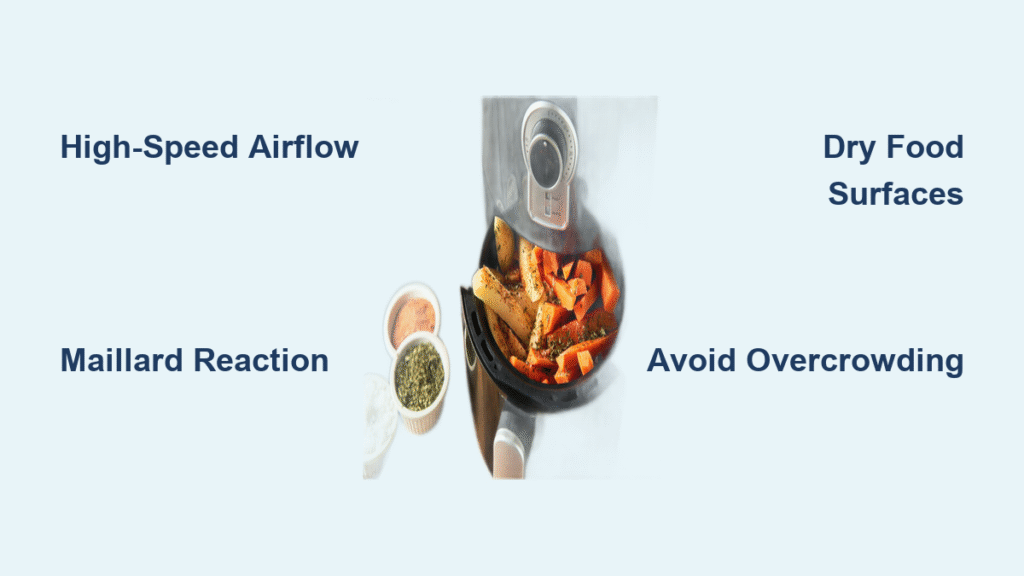
Spread food in one even layer with ½-inch spacing between pieces—overcrowding traps steam and creates soggy zones. For 2 cups of frozen fries, use only the basket’s front half during the first cycle. Shake or flip halfway using oven mitts (the handle gets hot!), then rearrange pieces from edges to center for uniform browning. When cooking multiple batches, keep finished items warm in a 200°F oven—not the TurboFry—to maintain crispness without overcooking. Never stack items vertically; this blocks the 360° airflow critical to how your Chefman TurboFry air fryer achieves consistent results.
Crisping Tray Optimization
Insert the perforated tray beneath foods that release grease (like bacon or sausage) to elevate them above drippings. The tray’s raised design allows hot air to circulate underneath while excess oil falls away—this prevents reabsorption that causes greasy results. For sticky items like marinated chicken, lightly coat the tray with avocado oil spray before loading. After cooking, soak the tray in warm soapy water immediately; dried-on residue requires vigorous scrubbing that damages non-stick surfaces. Never use metal utensils on the tray—they scratch coatings and void warranties.
Troubleshooting Common Cooking Failures
Fixing Soggy or Uneven Results
If fries lack crunch, increase temperature by 25°F or extend time by 3 minutes—your TurboFry may need recalibration. Always pat proteins dry with paper towels before cooking; surface moisture steams instead of sears. For uneven browning, rotate the basket 180 degrees halfway through and reduce batch size by 25%. Clean the heating coil monthly with a soft brush—a ⅛-inch grease buildup insulates elements and causes cold spots. If you see “E2” errors, the unit is overloaded; cook 30% less food per batch and ensure 5-inch side clearance.
Decoding Error Messages
- E1: Unplug for 30 seconds to reset temperature sensors
- E2: Reduce food quantity by 25% to prevent overheating
- E3: Contact Chefman support—fan assembly requires service
- Blinking display: Reinsert basket until it clicks audibly
Daily Maintenance and Longevity Tactics

Post-Use Cleaning Protocol
Unplug and cool completely for 20 minutes before cleaning—never immerse the main unit. Remove the crumb tray beneath the basket and discard debris. Wash the basket and crisping tray in warm, soapy water with a nylon brush; avoid steel wool that scratches coatings. For stuck-on cheese or batter, soak components 10 minutes before scrubbing. Wipe interior walls and heating elements with a damp microfiber cloth—never use aerosol cleaners near electrical components. Dry all parts thoroughly to prevent moisture corrosion.
Monthly Deep-Cleaning Routine
Inspect the rear exhaust vent for lint accumulation using a flashlight. Remove debris with a soft-bristled pipe cleaner. Check the fan housing through the top vent; accumulated grease reduces airflow efficiency by 40%. Run an empty 5-minute cycle at 400°F after deep cleaning to evaporate residual moisture. Replace the basket if the non-stick coating shows cracks or peeling—this prevents toxic fumes during high-heat cooking. Proper care ensures your Chefman TurboFry air fryer maintains peak performance for 5+ years.
Pro Efficiency Hacks You Need Today
Time-Saving Batch Cooking Strategy
Cook similar-density foods together: chicken thighs and broccoli florets at 375°F for 18 minutes. Use perforated parchment liners for easy cleanup (cut to basket size). Pre-cut vegetables on Sundays and store in labeled containers—zucchini cooks in 8 minutes, potatoes need 22. Keep a cooking log noting exact times for your favorite dishes; family-sized salmon portions typically require 10 minutes at 400°F. This precision eliminates guesswork when you use your Chefman TurboFry air fryer daily.
Flavor-Boosting Techniques
Spray proteins with 1-second oil bursts (equivalent to ¼ tsp) for restaurant-style searing without excess fat. Add fresh rosemary or thyme during the last 2 minutes to prevent herb burning. Marinate chicken 30 minutes pre-cooking—acidic ingredients like lemon juice tenderize without requiring longer cook times. For extra-crisp wings, finish with a 2-minute blast at 400°F after the main cycle. Never salt before cooking; it draws out moisture and hinders browning.
Mastering how to use your Chefman TurboFry air fryer transforms cooking from a chore into culinary artistry. Remember three non-negotiables: always preheat for 3-5 minutes, never overcrowd the basket, and shake foods halfway through. Start with frozen fries to build confidence—400°F for 16 minutes with one shake—then advance to fresh salmon or roasted vegetables. Clean components immediately after use to prevent stubborn residue, and address error codes promptly using the quick-reference guide above. Within a week, you’ll consistently achieve golden exteriors and juicy interiors that make deep frying obsolete. Ready to experience the difference? Plug in your TurboFry today and taste the crisp revolution. Your perfectly air-fried future starts now.