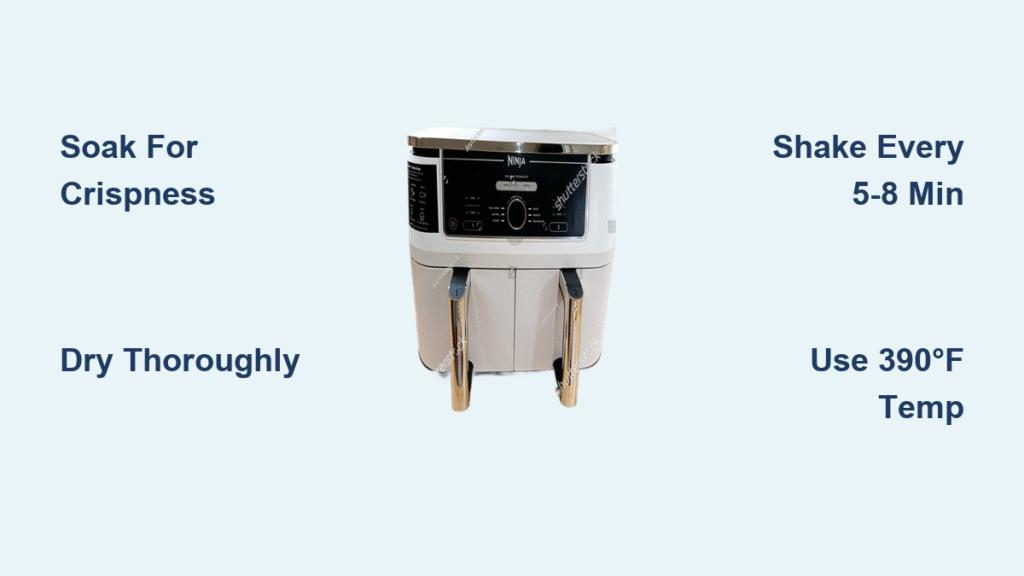
That unmistakable crunch when you bite into a perfectly golden french fry—crisp outside, fluffy inside—is no longer reserved for restaurants. Your Ninja air fryer transforms humble potatoes into crispy magic using just 2 tablespoons of oil instead of gallons of grease. Forget soggy oven-baked failures or dangerous deep-fryer splatters. This method delivers consistently golden, restaurant-quality fries that satisfy cravings while cutting calories dramatically. You’ll master the exact potato prep, temperature sequencing, and shake timing that makes Ninja air fryer fries outperform every other method. Whether you’re feeding hungry kids after school or elevating burger night, these techniques guarantee crispy results every single time.
Russet vs. Yukon Gold: Choosing Your Crispiest Potato
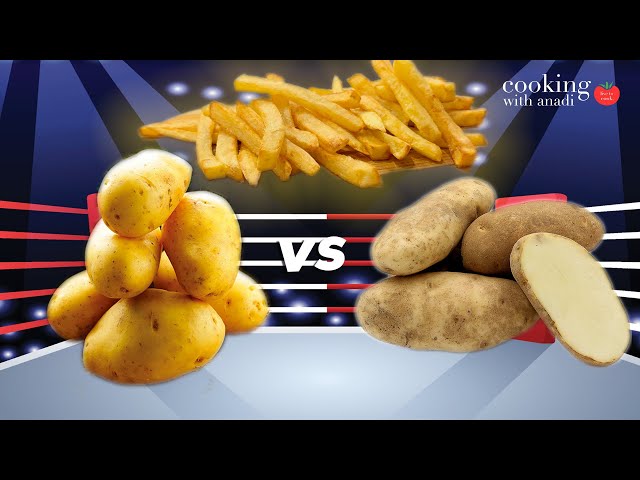
Russet potatoes dominate for classic french fry texture thanks to their high starch content. This starch creates that essential crispy shell while maintaining a light, fluffy interior. Select medium-sized russets roughly the size of your fist for uniform cutting—critical for even cooking. Scrub thoroughly under cold water if leaving skins on for extra fiber and rustic charm.
Yukon Golds deliver naturally buttery flavor with reliable browning. Their slightly waxy texture holds shape beautifully, making them ideal if you prefer a firmer bite. They’re smaller than russets, so you’ll need more potatoes for the same yield. Fingerlings work in a pinch when sliced lengthwise, but expect inconsistent cooking due to their tapered shape.
Never skip the soak—starch removal is non-negotiable for achieving true crispiness. Skip this step, and your fries will steam instead of crisp.
Cold Salt-Water Soak: The Overnight Game-Changer
Cut potatoes into uniform ¼-inch sticks immediately after peeling. Submerge them in a large bowl of cold water mixed with 1 tablespoon salt. Soak for at least 30 minutes at room temperature (or refrigerate overnight for maximum starch extraction). This slow process draws out excess starch without cooking the potatoes.
Hot-Water Soak: The 15-Minute Rescue
When time is tight, cover cut potatoes with very hot tap water or recently boiled water for just 10-15 minutes. This accelerates starch removal but requires extra drying vigilance. Drain immediately after soaking—you’ll see cloudy starch water confirming it worked.
Critical drying step: Pat potatoes bone-dry with paper towels. Lay multiple sheets on your counter, spread potatoes in a single layer, then press firmly with additional towels. Any residual moisture creates steam during cooking, guaranteeing soggy results. This step takes 2-3 minutes but makes or breaks your crisp factor.
Oil Tossing Secrets for Maximum Crisp with Minimal Fat
Avocado oil outperforms all others for Ninja air fryer fries due to its high smoke point (520°F) and neutral flavor. Canola or vegetable oil work well as budget-friendly alternatives. Light olive oil adds subtle complexity but avoid extra-virgin—it smokes too easily. Use only 2-3 tablespoons total for 1.5-2 pounds of potatoes; the air fryer’s powerful circulation means less oil penetrates deeper.
Toss potatoes in oil BEFORE seasoning. Place dried potatoes in a large bowl, add oil, then toss vigorously until every stick glistens. This ensures even coating without pooling oil in the basket. Now add seasonings—adding salt later prevents drawing out moisture.
Flavor combinations that beat frozen fries:
– Classic: 1 tsp sea salt + ½ tsp cracked black pepper (add after cooking)
– Garlic Herb: 1 tsp garlic powder + ½ tsp onion powder + 1 tsp dried parsley
– Smoky Ranch: 1 tsp ranch seasoning + ½ tsp smoked paprika (toss before cooking)
– Loaded Finish: Freshly grated Parmesan + chopped parsley (sprinkle after cooking)
Single-Stage Method: 25 Minutes to Crispy Bliss
390°F is the sweet spot for all Ninja models, delivering consistent results without burning. Here’s the exact sequence:
- Preheat your Ninja air fryer for 5 minutes at 390°F (optional but boosts initial crisping)
- Spread oiled potatoes in a single layer—no overlapping in basket-style models; minimal overlap in drawer models
- Shake every 5-8 minutes using heat-safe tongs (critical for even browning)
- Check at 25 minutes—fries should have deep golden edges and a hollow “tap” sound
- Add 1-2 minute bursts if not crisp enough, spraying minimal extra oil only if needed
Stop cooking when bubbles subside on the fry surface. This visual cue indicates moisture has fully escaped, leaving maximum crispness. Season immediately after cooking while fries are hot—the salt adheres perfectly.
Two-Stage Method: Restaurant-Quality Crunch in 27 Minutes
For unbeatable texture, use temperature sequencing. This method excels with thicker cuts or large batches:
Stage 1: Gentle Cook-Through (350°F for 12-15 min)
Arrange potatoes in a single layer. The lower temperature cooks potatoes through without browning the exterior. Fries will look pale but feel tender when pierced with a fork.
Stage 2: High-Heat Crisp Blast (425°F for 10-12 min)
Transfer semi-cooked fries back to your bowl. Add 1 teaspoon oil and toss gently. Return to basket in a single layer. The intense heat creates a shatteringly crisp exterior while locking in steam for fluffy interiors.
Pro tip: Rotate the basket 180 degrees halfway through Stage 2 if using oven-style Ninja models. This counters hot spots for uniform browning.
Why Your Fries Fail (And How to Fix It)

Soggy fries despite following steps?
Moisture is always the culprit. Re-dry potatoes thoroughly after soaking. Ensure your Ninja basket isn’t overcrowded—cook in batches if needed. Increase final temperature to 400°F for the last 3 minutes to drive out residual moisture.
Burnt edges but raw centers?
Your potatoes were likely cut unevenly or the temperature was too high initially. Next time:
– Cut sticks to uniform ¼-inch thickness
– Start at 350°F for 8 minutes before increasing heat
– Shake basket every 5 minutes for consistent exposure
Pale and limp fries?
You skipped the soak or didn’t dry properly. Starch removal is essential for browning. Always soak for at least 30 minutes and pat potatoes until paper towels come away clean.
Batch Sizes That Actually Work
Family dinner (4 servings): 1.5 pounds russets (about 4 medium potatoes) yields 600g cooked fries.
Snack portion (2 servings): 1 pound potatoes fits perfectly in 4-qt Ninja baskets.
Calorie reality check: Using 2 tablespoons avocado oil across 4 servings = just 60 calories per serving. Compare this to 365 calories for deep-fried restaurant fries! The air fryer eliminates oil absorption while maximizing crispness.
Never overload the basket—potatoes should cover the basket floor with only slight overlap. Overcrowding traps steam, creating boiled potatoes instead of fries. Cook in two batches rather than sacrificing crispness.
Reheating Leftovers Like a Pro
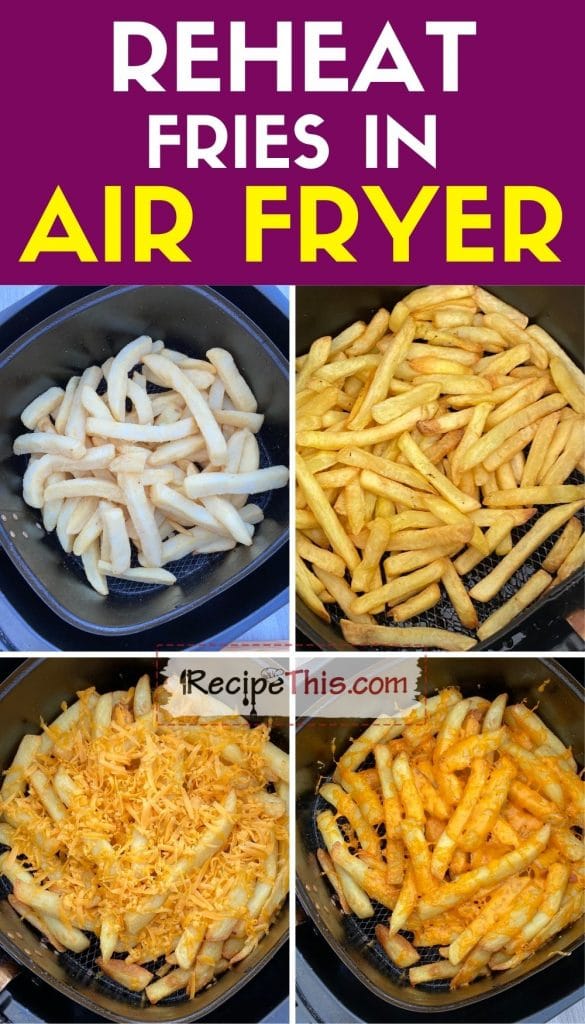
Refrigerate cooled fries in an airtight container layered between paper towels for up to 3 days. The paper towels absorb condensation that causes sogginess.
Revive leftovers in 4 minutes flat:
1. Spread cold fries in Ninja basket (no oil needed)
2. Air-fry at 375°F for 3-4 minutes
3. Shake basket halfway through
Never use the microwave—it turns crispy fries rubbery by unevenly reheating moisture within the potato. The air fryer’s convection heat restores original texture by re-evaporating surface moisture.
Next-Level Variations Worth Trying
Sweet Potato Fries: Cut into ⅜-inch sticks. Soak 30 minutes. Toss with 1.5 Tbsp oil + ½ tsp cinnamon. Cook at 375°F for 18 minutes (shake every 6 min). The natural sugars caramelize beautifully without burning.
Loaded Parmesan Wedges: Cut russets into 1-inch wedges. Toss with oil, 1 tsp garlic powder, and 2 Tbsp grated Parmesan. Air-fry at 390°F for 28 minutes (shake every 7 min). Top with fresh parsley after cooking.
Cajun Spiced Fries: Mix 1 tsp cajun seasoning into oil before tossing. The air fryer intensifies spice flavors—start with half the amount you’d use for deep frying. Cook at 400°F for 26 minutes.
Your Ninja air fryer unlocks french fry perfection with minimal oil and zero deep-fryer hazards. By mastering starch removal, precise temperature control, and single-layer cooking, you’ll never settle for frozen fries again. The real secret? That magical moment when golden sticks emerge with a crunch that echoes through your kitchen—a sound that says, “Dinner just got upgraded.” Start with russets and the single-stage method tonight, then experiment with Yukon Golds and two-stage cooking once you’ve nailed the basics. Your crispy revolution begins with one perfectly cooked batch.