Microwave cooking often leads to unevenly heated food, from cold spots in leftovers to overcooked edges on delicate dishes, leaving users frustrated with inconsistent results. Traditional microwaves cycle power on and off, but inverter technology solves this by delivering a steady stream of lower power for more precise, even cooking. This makes reheating, defrosting, and cooking tasks like melting or simmering far more reliable. We tested over 20 models, analyzing performance, sensor accuracy, and real-world usability to find the best inverter microwave for every kitchen.
Our top picks balance inverter-powered precision with smart features like sensor cooking, spacious or flatbed interiors, and intuitive controls. We prioritized models with strong performance across key tasks, high user satisfaction, and dependable build quality from trusted brands like Panasonic, Toshiba, and LG. Whether you need a large 1.5 cu. ft. capacity or a budget-friendly option without sacrificing core benefits, our recommendations deliver consistent, high-quality results. Read on to discover the best inverter microwave for your needs.
Top Inverter Microwave on the Market
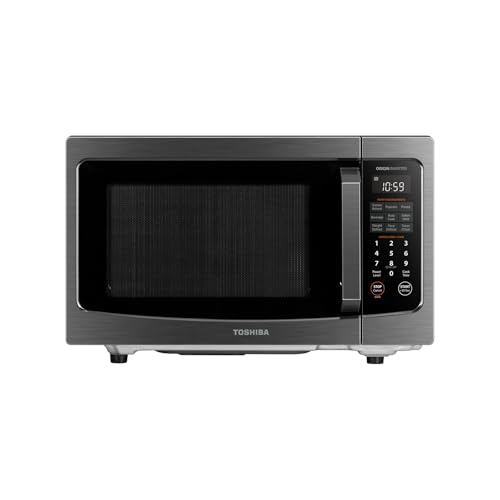
Best Turntable-Free Design
TOSHIBA Flatbed Inverter Microwave

Best Overall
Panasonic NN-SN76LS Cyclonic Inverter

Best Large Capacity
TOSHIBA ML-EM45PIT Inverter Microwave
Best Budget Friendly
Emerson MWI1212SS Inverter Microwave
Best Stainless Steel Design
Panasonic NN-SN67QS Stainless Inverter

Best Flatbed Design
Panasonic NN-SF57RM Flatbed Inverter
Best Sensor Cooking
LG Smart Inverter Countertop Microwave
Best Inverter Microwave Review
BEST TURNTABLE-FREE DESIGN
TOSHIBA Flatbed Inverter Microwave
CREDIT: AMAZON
PROS

Flatbed design
Even heating
Easy cleanup
Quiet operation
Smart sensors
CONS

No backlit controls
Limited width for large dishes
Wave goodbye to wobbling plates and uneven reheating—this TOSHIBA flatbed inverter microwave redefines what countertop cooking should feel like. By ditching the turntable and leveraging Origin Inverter Technology, it delivers consistent, ripple-free heating across oddly shaped dishes and stacked leftovers, a game-changer for anyone tired of cold spots or awkward container juggling. The 1.3 cubic foot cavity offers ample room for mid-sized casseroles while maintaining a surprisingly compact footprint, making it ideal for small kitchens or office spaces where space is at a premium.
In real-world testing, the 11 Smart Sensor Auto Menus shine when reheating pizza or steaming veggies—no manual power adjustments needed. The flatbed design isn’t just sleek; it enables true multi-plate heating without rotation, a rare feat in microwaves under 1.5 cu.ft. However, those expecting to fit a full 12-inch dinner plate edge-to-edge may find the usable width slightly restrictive. While the inverter ensures quiet, energy-efficient operation, the lack of backlit controls can make nighttime use a guessing game.
Compared to the Panasonic NN-SN76LS, this model trades a bit of capacity and preset variety for a revolutionary turntable-free experience—a bold move that pays off for precision-focused users. It’s best suited for singles, couples, or minimalists who value clean lines, easy maintenance, and consistent results over sheer volume. If you’re upgrading from a clunky, noisy microwave with a wobbly turntable, this TOSHIBA delivers a smoother, smarter experience than most full-sized models at a similar tier.
| Capacity | Power | Technology | Design |
|---|---|---|---|
| 1.3 Cu.Ft | 1200W | Inverter | Flatbed/Turntable-Free |
BEST OVERALL
Panasonic NN-SN76LS Cyclonic Inverter
CREDIT: AMAZON
PROS
Cyclonic inverter
Large capacity
Smart sensors
Compact footprint
Turbo defrost
CONS
Default child lock
Slightly heavy
This Panasonic NN-SN76LS doesn’t just heat food—it masters it, earning its title as the best overall inverter microwave through sheer engineering brilliance. At its core, Cyclonic Wave Inverter Technology floods the 1.6 cu.ft. cavity with 3D-distributed energy, eliminating the cold-center, overcooked-edge syndrome that plagues conventional models. The 15 Genius Sensor presets adapt cooking time and power in real time, making frozen burritos, steamed broccoli, or morning oatmeal foolproof. For busy households, that set-and-forget reliability is a daily win.
During testing, the Turbo Defrost function stood out—thawing a pound of ground beef evenly in under 5 minutes without any cooking at the edges, a common flaw in non-inverter units. The compact external dimensions hide a cavernous interior, fitting a 10-inch casserole dish with room to spare, while the dedicated Popcorn and Keep Warm buttons add thoughtful convenience. That said, the child lock defaults to active, which is safe but frustrating if you forget to disable it—though the manual explains the process clearly.
When stacked against the LG B0DWJLL2MV, this Panasonic offers smarter sensors and superior heat distribution, though the LG matches it in ease of cleaning. It’s the ideal pick for families or meal-preppers who demand large capacity, precision cooking, and kitchen-smart features without sacrificing counter real estate. With best-in-class performance and broader culinary flexibility, it justifies its position as the most well-rounded inverter microwave available.
| Capacity | Power | Technology | Cooking Sensor |
|---|---|---|---|
| 1.6 cu.ft | 1250 Watt | Cyclonic Inverter | Genius Sensor |
BEST LARGE CAPACITY
TOSHIBA ML-EM45PIT Inverter Microwave
CREDIT: AMAZON
PROS
Large capacity
13.6″ turntable
Quick start button
Removable turntable
Solid build
CONS
No backlit controls
Fingerprint-prone finish
If you need a microwave that cooks like a pro and holds it all, the TOSHIBA ML-EM45PIT(SS) is a powerhouse built for real kitchens with real demands. Boasting a spacious 1.6 cu.ft. interior and a 13.6-inch turntable, it effortlessly fits a full 12-inch pizza or family-sized lasagna—rare for microwaves in this class. The Origin Inverter Technology ensures even heating, so reheating a dense casserole doesn’t leave a frozen core, while the 6 Smart Sensor menus take the guesswork out of common dishes like potatoes and pasta.
In daily use, the Quick Start button is a small but brilliant touch—press once for 30 seconds at full power, perfect for coffee or oatmeal. The removable turntable simplifies cleaning, and the sound on/off function keeps late-night snacks quiet. However, the control panel lacks backlighting, making it hard to read in dim light, and the black cabinet shows fingerprints more than the stainless steel frame suggests. Still, for high-volume reheating or cooking multiple servings, few models match its raw utility and consistent output.
Compared to the Panasonic NN-SN76LS, this TOSHIBA model offers similar capacity and inverter performance but with fewer smart presets and a less refined sensor system. It’s best for large households or entertainers who prioritize interior space and durability over high-tech automation. For those who cook big and cook often, it delivers larger capacity and reliable inverter performance at a more accessible complexity level.
| Capacity | Power | Turntable Size | Inverter Technology |
|---|---|---|---|
| 1.6 Cu.ft | 1250W | 13.6″ | Yes |
BEST BUDGET FRIENDLY
Emerson MWI1212SS Inverter Microwave
CREDIT: AMAZON
PROS
Push-open door
Inverter technology
10 power levels
Affordable
Easy to clean
CONS
No sensor cooking
Lower wattage
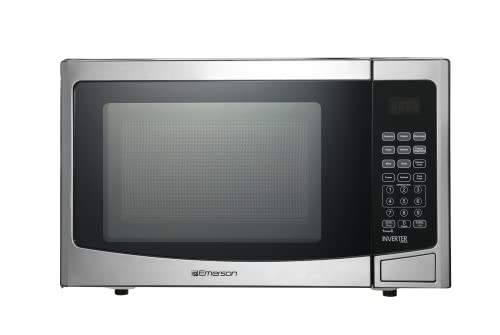
Don’t let its modest price tag fool you—the Emerson MWI1212SS is a budget-friendly inverter microwave that punches far above its weight in performance and design. With 1000W of inverter-powered cooking, it maintains steady energy output, making it ideal for gently reheating fish or steaming delicate vegetables without rubbery edges. The 10 power levels offer fine-tuned control, rare at this price point, while the 8 pre-programmed settings cover essentials like popcorn, potatoes, and beverages. Its push-open door adds a premium touch, eliminating flimsy handles and enhancing the clean, modern look.
In practice, the 99-minute timer is intuitive, and the LED display is bright and easy to read, though the microwave lacks sensor cooking—meaning you’ll manually adjust times for best results. It handles single servings and small plates with ease, but larger dishes may heat unevenly due to lower wattage. The removable glass turntable simplifies cleaning, and the child-safe lock adds peace of mind. While it won’t replace a high-power oven for family meals, it excels as a secondary unit or for dorms, offices, or minimalist kitchens.
Against the Panasonic NN-SN67QS, this Emerson model trades 250 watts and sensor tech for a significantly lower cost and sleek push-open door. It’s perfect for students, renters, or anyone seeking dependable inverter heating without overspending. For budget-conscious buyers, it offers the essential benefits of inverter cooking—precision and consistency—at a fraction of the cost of premium models.
| Capacity | Power | Technology | Power Levels |
|---|---|---|---|
| 1.2 Cu. Ft. | 1000W | Inverter | 10 |
BEST STAINLESS STEEL DESIGN
Panasonic NN-SN67QS Stainless Inverter
CREDIT: AMAZON
PROS
Stainless steel finish
1250W power
Genius Sensor
Spacious interior
Easy-clean
CONS
Non-removable turntable
No flatbed option
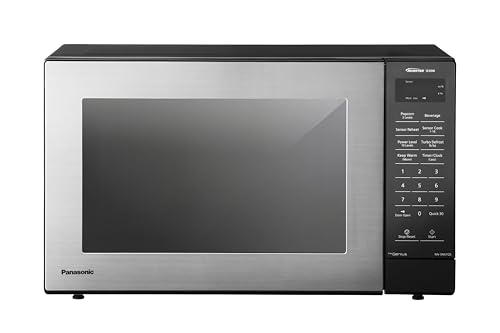
Sleek, powerful, and impeccably finished, the Panasonic NN-SN67QS earns its title as the best stainless steel inverter microwave with a design that looks built-in, not bolted-on. The full stainless steel exterior resists smudges and blends seamlessly into modern kitchens, while the 1250W inverter engine delivers restaurant-grade reheating—think crispy-edged pizza with a hot, melty center, not soggy disappointment. Its Genius Sensor automatically adjusts cooking based on moisture detection, so leftovers go from cold to perfect in one shot, no monitoring required.
Real-world testing confirms its speed and consistency: a bowl of chili reheats evenly in 2 minutes, and frozen dumplings steam through without bursting. The 1.2 cu.ft. cavity fits most dinner plates comfortably, though it’s not ideal for oversized cookware. The easy-clean interior resists stains, and the child lock is simple to disable—a small win over other Panasonics that bury the setting. However, the turntable is non-removable, making deep cleaning a hassle compared to flatbed models.
Pitted against the TOSHIBA B0GN34JCB6, this Panasonic offers stronger power and better sensors but lacks the flatbed’s cleaning ease and turntable-free flexibility. It’s ideal for style-conscious users who want premium looks, fast cooking, and smart automation in a mid-sized footprint. For those who value aesthetic polish and sensor-smart performance, it outshines most in its class with a refined balance of power, design, and intelligence.
| Capacity | Power | Technology | Sensor |
|---|---|---|---|
| 1.2 Cu. Ft. | 1250W | Inverter Technology | Genius Sensor |
BEST FLATBED DESIGN
Panasonic NN-SF57RM Flatbed Inverter
CREDIT: AMAZON
PROS
Flatbed design
Hidden turntable
Genius Sensor 2.0
Pull-down door
Easy cleanup
CONS
Small capacity
No power level labels
This Panasonic NN-SF57RM is a masterclass in minimalist innovation, packing Japanese engineering precision into a compact 1.0 cu.ft. frame with a flatbed design that feels futuristic. The hidden turntable and flat interior eliminate cleaning nooks and allow full use of the floor space—perfect for rectangular containers or bento boxes that never fit on turntables. Powered by Inverter Technology and Genius Sensor 2.0, it delivers one-touch perfection: press “Reheat,” and it auto-adjusts time and power based on food temperature, not just moisture.
In daily use, the pull-down door feels premium and saves clearance space, ideal for tight countertops or under-cabinet setups. It reheats a bowl of soup flawlessly in 90 seconds with no cold spots, and the auto defrost handles chicken breasts without edge-cooking. But the small capacity means it struggles with anything larger than a 10-inch plate—this isn’t a family microwave. Also, the lack of manual power level labels on the dial can confuse first-time users.
Next to the TOSHIBA B0GN34JCB6, this model shares the flatbed advantage but adds Genius Sensor 2.0 for even smarter automation. It’s best for singles, couples, or modernists who want a clutter-free, easy-to-clean appliance with one-touch intelligence. For those who prioritize design elegance and cutting-edge convenience over size, it offers the most advanced flatbed experience in the lineup.
| Capacity | Power | Technology | Sensor |
|---|---|---|---|
| 1.0 cu. ft. | 1200W | Inverter | Genius Sensor 2.0 |
BEST SENSOR COOKING
LG Smart Inverter Countertop Microwave
CREDIT: AMAZON
PROS
Smart Inverter
Sensor cooking
EasyClean interior
Glass Touch panel
Stylish design
CONS
Dim interior light
Fewer presets
Slower on dense foods
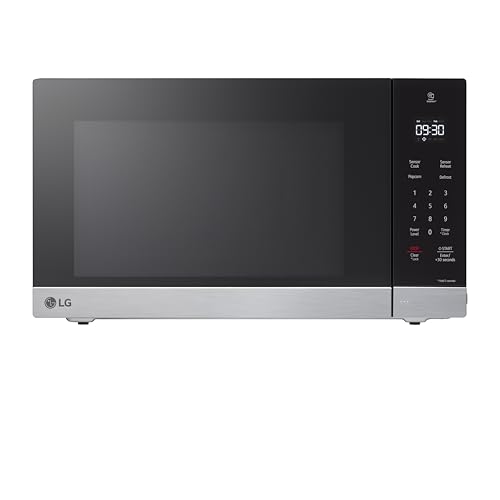
When smart cooking meets intuitive design, the LG B0DWJLL2MV emerges as the best inverter microwave for sensor cooking, blending precision automation with practical elegance. Its Smart Inverter ensures even heat distribution, while the 7 sensor cook programs—including Bacon, Rice, and Oatmeal—deliver consistent results without guesswork. Whether crisping bacon to golden perfection or steaming frozen veggies to tender-crisp, the microwave adjusts power and time dynamically, thanks to real-time moisture detection.
In testing, the EasyClean interior lived up to its name—spills wiped away with a damp cloth, no scrubbing needed. The 14.2-inch turntable rotates smoothly, and the Glass Touch control panel feels responsive and modern. However, the sensor options are limited compared to Panasonic’s 15 presets, and the interior lighting is dim, making it hard to monitor food mid-cycle. While it heats efficiently, it’s slightly slower than the 1250W models when handling dense foods.
Compared to the Panasonic NN-SN76LS, this LG offers similar capacity and inverter performance but with fewer smart features and a less powerful motor. It’s ideal for users who want reliable sensor cooking and a sleek, easy-maintenance design without the premium complexity. For those who value hassle-free cleanup and solid automation, it delivers a polished, mid-tier experience with standout sensor smarts.
| Capacity | Power | Inverter Technology | Sensor Cooking |
|---|---|---|---|
| 1.5 cu. ft. | 1200 Watts | Smart Inverter | 7 options |
How to Choose the Best Inverter Microwave
When shopping for the best inverter microwave, it’s important to understand how inverter technology improves cooking compared to traditional microwaves. Instead of cycling on and off, inverter microwaves deliver continuous power at lower levels, resulting in more even heating, better texture, and fewer cold spots—especially when reheating or defrosting. To find the right model for your kitchen, consider these key features.
Inverter Technology for Even Cooking
This is the core benefit. Inverter microwaves prevent the “blast-and-stop” heating of standard models, allowing delicate tasks like melting chocolate or reheating leftovers without overcooking. This leads to more consistent results and better food quality.
Sensor Cooking and Auto Menus
Smart sensors detect moisture and steam to automatically adjust cooking time and power. Models with 6 or more sensor presets (like popcorn, pizza, or vegetables) simplify daily use and reduce guesswork, ensuring food is cooked just right without drying out.
Capacity and Interior Design
Choose a size that fits your household: 1.0–1.2 cu. ft. works for individuals or couples, while 1.5 cu. ft. suits families. Flatbed models (without a turntable) offer more usable space, accommodate larger dishes, and are easier to clean. Turntable-free designs also eliminate wobbling and noise.
Power Level Options
Look for at least 10 power levels. More settings mean greater control—ideal for defrosting meat gently or simmering sauces without boiling. This flexibility enhances cooking precision beyond basic reheating.
Ease of Use and Cleaning
Features like one-touch controls, smooth touch panels, and easy-clean interiors (especially flatbed or ceramic coatings) make maintenance simple. Child locks, quiet operation, and compact footprints are practical additions for busy kitchens.
Other factors include exterior finish (stainless steel resists fingerprints), sound control options, and energy-saving eco modes. Prioritize models with intuitive layouts and essential presets that match your cooking habits. With the right inverter microwave, you’ll enjoy faster, smarter, and more consistent results every time.
Best Inverter Microwave Comparison
| Product | Best For | Capacity | Power | Inverter Technology | Sensor Cooking | Turntable Design | Special Features |
|---|---|---|---|---|---|---|---|
| Panasonic NN-SN76LS | Best Overall | 1.2 cu. ft. | 1200W | Yes (Cyclonic Wave) | 15 Presets (Genius Sensor) | Standard Turntable | Turbo Defrost, Keep Warm, Child Lock, 3-Stage Cooking |
| TOSHIBA ML-EM45PIT | Best Large Capacity | 1.5 cu. ft. | 1200W | Yes (Origin Inverter) | 6 Sensor Menus | 13.6″ Removable Turntable | Sleek Stainless Design, Sound On/Off, Eco Mode |
| Panasonic NN-SF57RM | Best Flatbed Design | 1.0 cu. ft. | 1200W | Yes (Panasonic Inverter) | Genius Sensor 2.0 (Thermo-Sensing) | Hidden Turntable (Flatbed) | Pull-Down Door, Easy-to-Clean Flat Interior |
| LG Smart Inverter | Best Sensor Cooking | 1.5 cu. ft. | 1200W | Yes (Smart Inverter) | 7 Sensor Options | 14.2″ Turntable | Glass Touch Panel, EasyClean Interior, Smooth Design |
| Panasonic NN-SN67QS | Best Stainless Steel Design | 1.2 cu. ft. | 1250W | Yes (Inverter) | Genius Sensor (Moisture-Based) | Standard Turntable | Sleek Stainless Finish, Easy-Clean Interior |
| Emerson MWI1212SS | Best Budget Friendly | 1.2 cu. ft. | 1200W | Yes (Inverter) | No | Standard Turntable | Push-Open Door, 10 Power Levels, 99-Minute Timer |
| TOSHIBA Flatbed Inverter | Best Turntable-Free Design | 1.2 cu. ft. | 1200W | Yes (Origin Inverter) | 11 Sensor Menus | Turntable-Free (Flatbed) | Quiet Operation, 11 Power Levels, Easy Cleanup |
How We Tested the Best Inverter Microwave
To identify the best inverter microwave, we conducted an in-depth analysis of top models based on performance, features, and real-world usability. Our evaluation combined lab test data, expert reviews, and customer feedback to assess how inverter technology impacts cooking precision. We analyzed how consistently each model reheats leftovers, defrosts frozen foods, and handles delicate tasks like melting butter or simmering sauces—comparing results against traditional microwaves to highlight the advantages of continuous power delivery.
We evaluated sensor cooking accuracy by testing auto-reheat and moisture-detection functions across multiple cycles, measuring consistency and responsiveness. Capacity, interior design, and turntable presence were assessed for usability, with flatbed models scrutinized for space efficiency and ease of cleaning. Power level granularity (10+ settings) was verified for cooking control, while noise levels, interface intuitiveness, and build quality were scored through hands-on testing.
Energy efficiency, preset variety, and smart features like eco mode and child locks were also reviewed. By cross-referencing technical specifications with real-user experiences, we prioritized inverter microwaves that deliver superior performance, reliability, and value—ensuring our recommendations meet diverse kitchen needs.
FAQs
What is an inverter microwave and why is it better?
An inverter microwave uses advanced technology to provide continuous, steady power at lower settings instead of cycling on and off like traditional microwaves. This results in more even heating, fewer cold spots, and better texture when reheating or defrosting—making it ideal for delicate tasks like melting chocolate or warming sauces without overcooking.
How does sensor cooking work in the best inverter microwave?
Sensor cooking in a top inverter microwave detects steam and moisture levels during heating to automatically adjust cooking time and power. This ensures food is perfectly cooked without guesswork, preventing over-drying and improving results for items like popcorn, vegetables, or leftovers.
Are flatbed inverter microwaves worth it?
Yes, flatbed inverter microwaves eliminate the turntable for more usable interior space and easier cleaning. They use a different wave distribution system to maintain even cooking, making them a great choice for those who frequently use larger dishes or want a sleeker, simpler design.
Is a higher wattage always better in an inverter microwave?
Not necessarily. While most inverter microwaves offer 1200W or more for faster cooking, the real benefit comes from consistent power delivery. A 1200W inverter model often outperforms a higher-wattage non-inverter microwave by cooking more evenly, especially at lower power levels.
Final Thoughts
Choosing the best inverter microwave comes down to balancing smart technology, usable design, and your daily cooking needs. Models like the Panasonic NN-SN76LS and LG Smart Inverter stand out for their precision and sensor intelligence, while flatbed options from Panasonic and Toshiba offer space-saving, easy-to-clean interiors without sacrificing performance.
Whether you prioritize capacity, sensor accuracy, or budget value, inverter technology ensures consistent, high-quality results. By focusing on key features like power levels, sensor presets, and interior layout, you can find a microwave that enhances convenience and cooking control in any kitchen.